If you are wondering how you can tell if termites are active in your home, the short answer is this: look for live swarmers, fresh mud tubes, new droppings, and wood that sounds hollow or feels soft. Active termites leave clear signs when you know what to look for.
In Florida, termite activity often increases as temperatures rise and humidity climbs. That means spring and summer are prime times for infestations to show up. Knowing the early warning signs can help you stop damage before it spreads.
Below, we break down the most common signs of active termites and when it is time to schedule a professional termite inspection.
How Can You Tell If Termites Are Active in Your Home Right Now
Many homeowners only notice termites after serious damage has already happened. The key is to catch activity early.
Here are the most common signs of an active infestation.
Are You Seeing Swarmers or Discarded Wings?
Swarmers are flying termites. They usually appear in the spring when colonies reproduce.
You might notice:
- Small flying insects near windows or lights
- Piles of clear or milky wings on window sills
- Sudden indoor swarms after warm rain
Swarming does not always mean termites are inside your walls. But it does mean a colony is nearby. If swarmers are inside your home, there is a strong chance the colony is already established.
In Florida, subterranean and drywood termites both swarm, often during warm, humid evenings.
If you are unsure whether you are seeing termites or flying ants, a professional termite inspection can confirm it quickly.
Are There Mud Tubes Along Your Foundation or Walls?
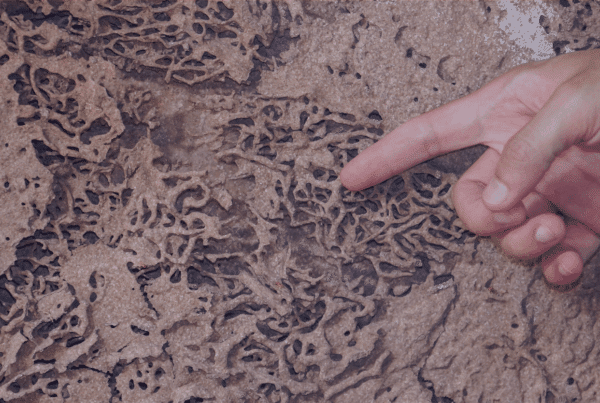
Subterranean termites build mud tubes to protect themselves from air and light. These tubes are about the width of a pencil.
You may find them:
- Along your foundation
- Inside crawlspaces
- On garage walls
- Around plumbing entry points
Fresh mud tubes look moist and dark. Old, inactive tubes appear dry and brittle.
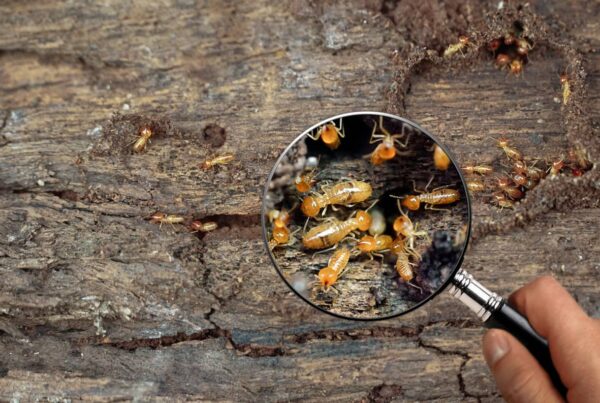
If you break open a tube and see live termites inside, the infestation is active. If you are unsure, avoid disturbing too much and schedule a professional evaluation.
Homes built on slab foundations, which are common in Florida, are especially vulnerable because termites can enter through tiny cracks.
Does Wood Sound Hollow or Feel Soft
Termites eat wood from the inside out. That means the surface can look fine while damage spreads underneath.
Try the tap test.
Gently tap on baseboards, door frames, or exposed wood. If it sounds hollow, termites may have eaten away the interior.
Other signs include:
- Bubbling or peeling paint that looks like water damage
- Doors and windows that suddenly stick
- Sagging floors
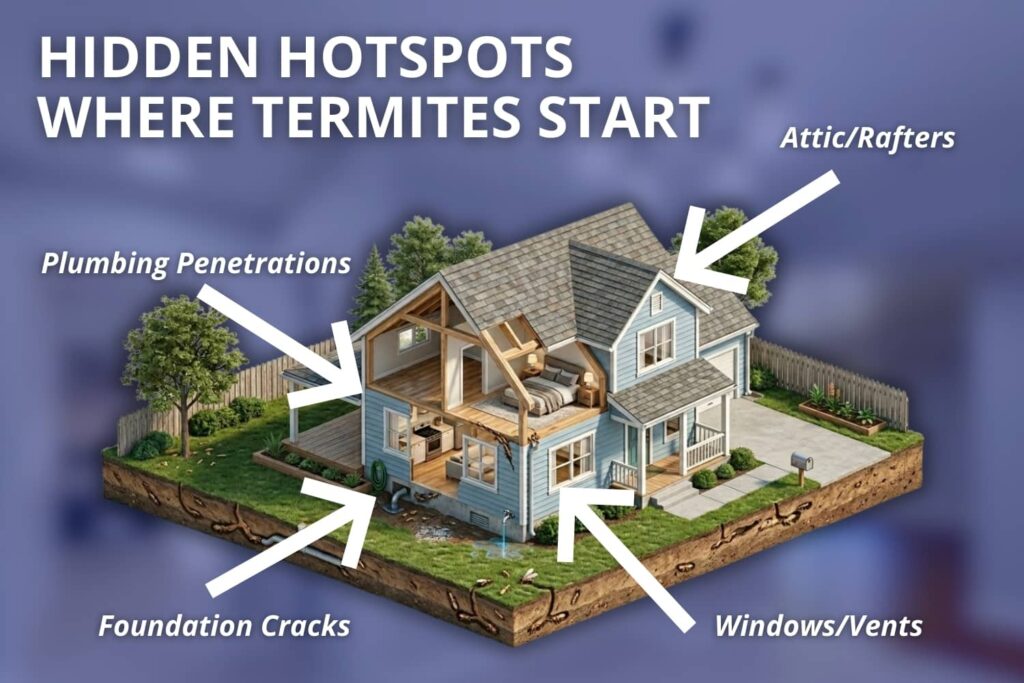
According to the National Pest Management Association, termites cause more than 6 billion dollars in property damage each year in the United States. Much of that damage happens silently behind walls.
If wood feels soft or crumbles easily, it is time to act.
Are You Finding Termite Droppings or Frass?
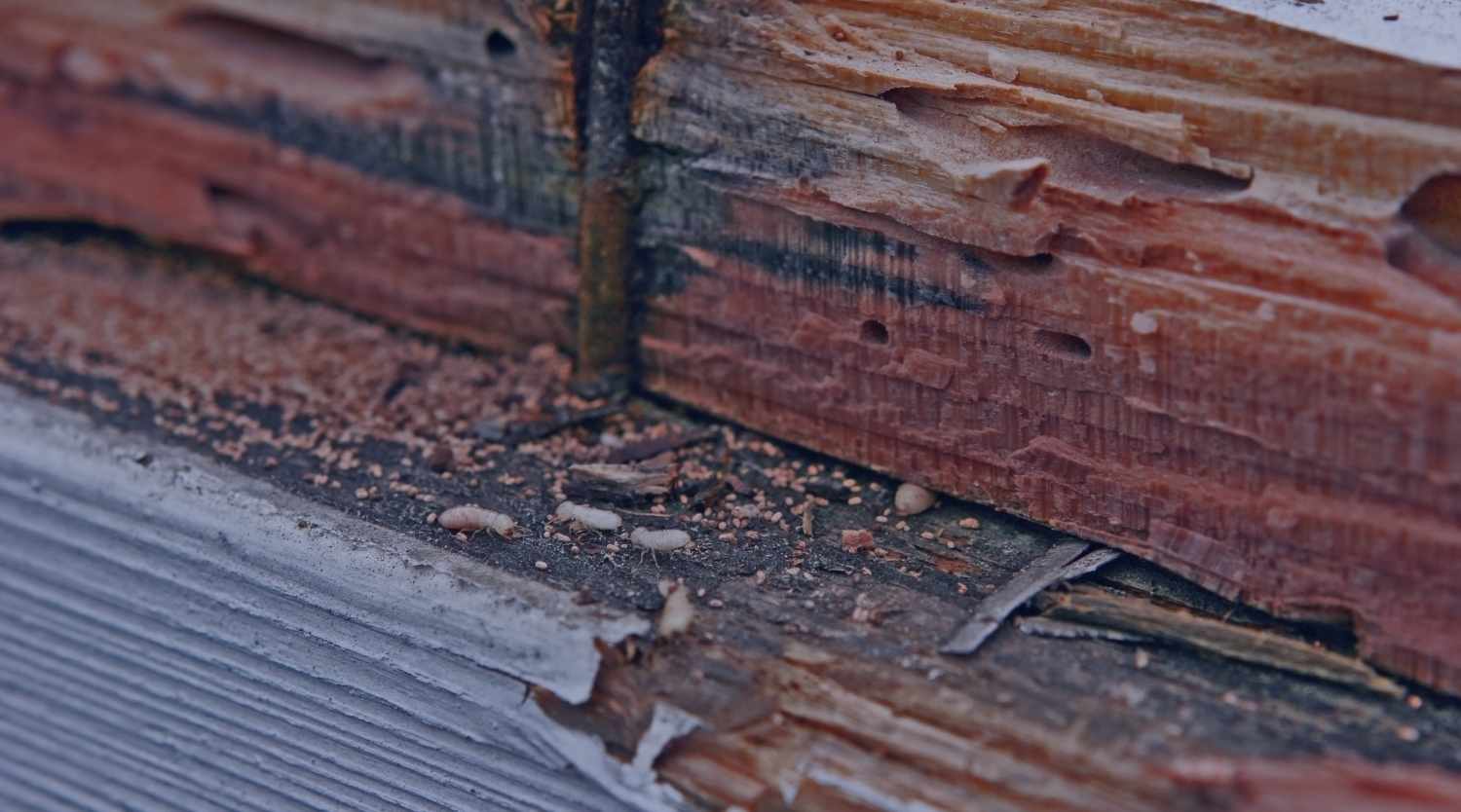
Drywood termites leave behind small pellet-like droppings called frass.
You might notice:
- Tiny piles that look like sawdust or sand
- Droppings near window frames or baseboards
- Reappearing piles after you clean them
Frass usually means termites are actively feeding inside nearby wood.
Subterranean termites do not leave visible droppings. Instead, they use mud tubes to travel.
If you see repeated droppings in the same area, the infestation is likely ongoing.
How to Tell the Difference Between Active and Old Termite Damage
Many homeowners struggle to tell whether termite damage is old or still active. While some signs are obvious, others can be misleading.
Here is how to compare the two:
Signs the Infestation Is Active
- Mud tubes look dark, moist, or freshly built
- Tubes are rebuilt after being broken
- New droppings appear after cleaning
- Wood feels soft and continues to weaken
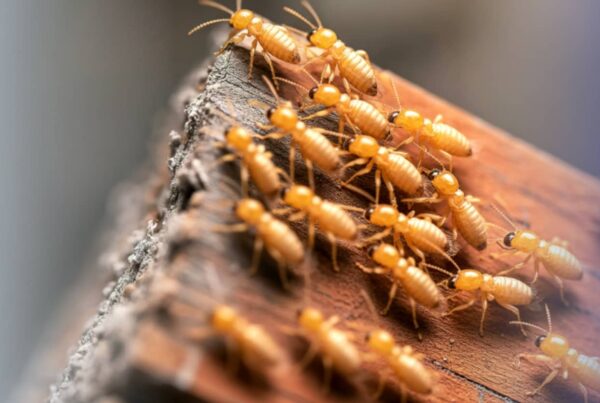
- Live termites are visible inside wood or tubes
Signs the Damage May Be Old
- Mud tubes are dry, brittle, and crumble easily
- No new droppings appear over time
- Damaged wood feels dry but stable
- No visible termite activity
Keep in mind that termites often stay hidden inside walls, floors, or foundations. You may not see live insects even when activity continues behind the surface.
If you are unsure, it is best not to guess. A professional termite inspection can confirm whether termites are still feeding and help you decide on the right next steps.
How to Know If Termite Damage Is Still Active
Sometimes the signs are visible, but it is hard to tell whether termites are still active. This simple comparison can help you understand what to look for.
| Sign | Likely Active | Likely Old Damage |
|---|---|---|
| Mud Tubes | Dark, moist, rebuilt after breaking | Dry, brittle, not rebuilt |
| Swarmers | Live flying termites indoors | No recent swarms |
| Droppings (Frass) | New piles appear after cleaning | Old debris with no new buildup |
| Wood Damage | Soft, hollow, worsening over time | Dry, stable, no new changes |
| Live Termites | Visible inside wood or tubes | No visible activity |
If you are unsure, avoid relying only on visual clues. Termites often stay hidden behind walls or under floors.
A professional termite inspection can confirm whether termites are active and determine the right treatment plan before damage spreads further.
Why Termite Activity Increases During Warmer Months?
Termites thrive in warmth and moisture. Florida’s climate creates ideal conditions for colonies to grow year-round, but activity often spikes in spring and early summer.
Swarming season typically happens when:
- Temperatures rise above 70 degrees
- Rainfall increases
- Humidity levels climb
Moisture problems can also attract termites. Leaky pipes, clogged gutters, and poor drainage create conditions that colonies love.
Homes in coastal and high-humidity areas are at greater risk. That is why annual inspections are strongly recommended in Florida.
When Should You Schedule a Professional Termite Inspection
You should schedule an inspection if:
- You see swarmers inside your home
- You find mud tubes on your foundation
- You notice hollow or damaged wood
- It has been more than one year since your last inspection
- You are buying or selling a property
Early inspections cost far less than structural repairs. Termite damage is rarely covered by homeowners’ insurance, which makes prevention even more important.
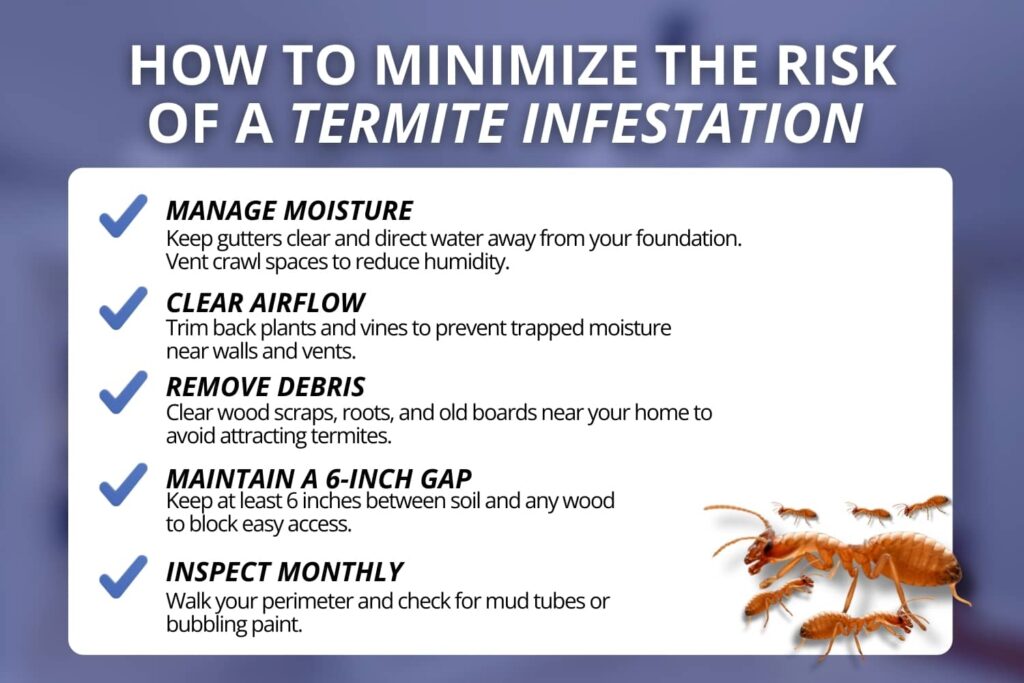
If you already suspect activity, do not wait. Termites never stop feeding.
What Happens During a Professional Termite Inspection
Many homeowners feel unsure about what to expect during an inspection.
A thorough termite inspection typically includes:
- Exterior evaluation of foundation and entry points
- Interior inspection of baseboards, attic, and crawlspaces
- Moisture-prone area assessment
- Identification of termite species
- Clear report with findings and recommendations
At Honor Services, inspections focus on both visible signs and hidden risk factors. The goal is not just to spot damage but to prevent future infestations.
If treatment is needed, you will receive clear options and next steps.
Related Questions
How quickly can termites cause structural damage?
Termites eat wood nonstop, 24 hours a day. A large colony can cause noticeable structural damage within a few months, especially in warm climates like Florida. The longer they go untreated, the more extensive and expensive the repairs can become.
Are termite bonds worth it in Florida?
In high-risk states like Florida, termite protection plans can be a smart investment. A termite bond typically includes regular inspections and coverage if termites return. Ongoing monitoring helps catch activity early before major damage occurs.
What attracts termites to a home?
Termites are attracted to moisture and wood. Leaky pipes, poor drainage, clogged gutters, and wood that touches soil all increase risk. Keeping your home dry and well-maintained can reduce the chances of an infestation.
Conclusion
So how can you tell if termites are active in your home? Look for live swarmers, fresh mud tubes, new droppings, and hollow-sounding wood. These are the clearest signs that termites are feeding right now.
Because termite damage often stays hidden, early detection is critical. Florida’s warm climate makes regular inspections even more important.
Honor Services can help you confirm whether termites are active and provide clear solutions to protect your home. Contact Honor Services today to schedule your termite inspection and stop small problems before they become costly repairs.