

If you live in Melbourne or anywhere along the Space Coast, you know that keeping a home in top shape involves more than just curb appeal. Between the salt air and the intense summer storms, our local homes work hard. Eventually, your insurance provider will likely ask for a four-point inspection to ensure your home’s most critical systems are still up to the task.
Understanding what this inspection covers helps you prepare and avoid surprises. This isn’t a full home inspection for a real estate transaction, though many buyers schedule them at the same time.
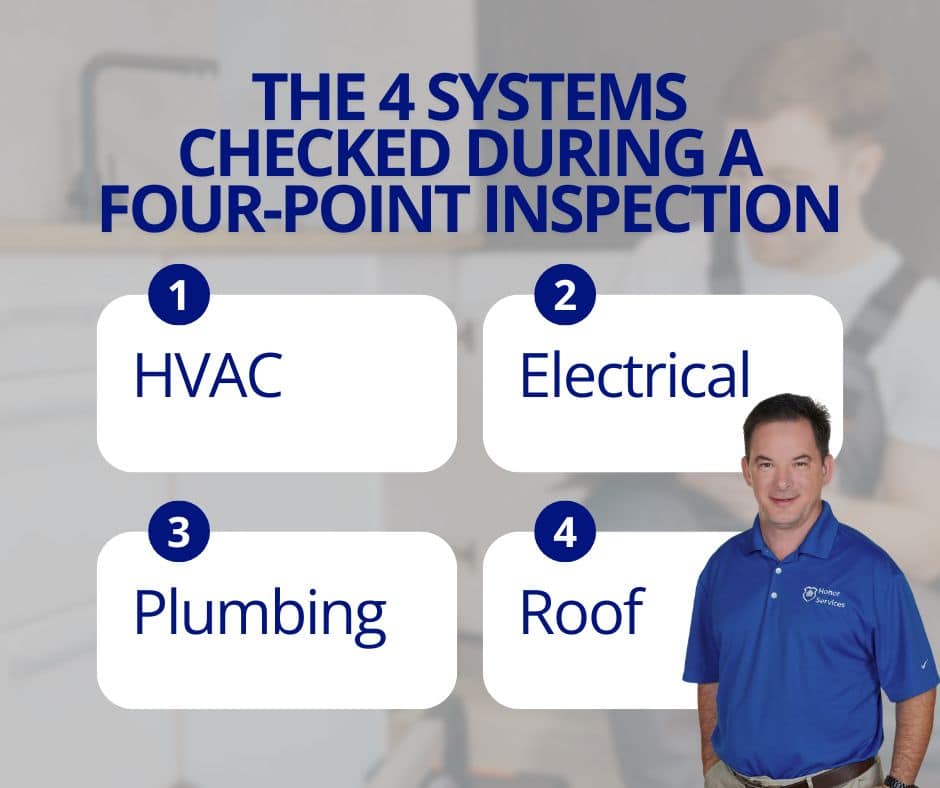
Instead, this is a targeted look at the four systems of your home that insurance companies care about the most. For many Brevard County residents, this detailed report is the difference between securing an affordable policy and facing a sudden non-renewal notice.
The Florida Four-Point Inspection Process
A four-point inspection is a specialized evaluation required by an insurance company, especially for older homes in Florida. If your home is more than 20 years old, your carrier will likely request this report before renewing your policy or issuing a new one.
In some cases, insurers even request these for homes as young as 15 years, depending on the current risk climate.
The goal is to determine the age and condition of the four major components that are most likely to result in an insurance claim if they fail. By verifying these major systems are in good working order, the insurance company reduces its risk, and you gain peace of mind knowing your home is safe.
In the Melbourne area, where humidity and weather play a big role in wear and tear, these insurance inspections are a standard part of responsible homeownership.
Examining the Electrical System Requirements
One of the most important parts of a four-point inspection is the electrical system. The inspector will look at your main service panel and any subpanels to ensure they are safe and properly wired. Insurance companies are deeply concerned about fire hazards, so this portion of the report is highly detailed.
We look for outdated electrical wiring like aluminum wiring or knob and tube wiring. These are common in some of the older, established neighborhoods in Brevard County and often require remediation.
We also check for recalled or dangerous brands of electrical panels that are known fire hazards, such as Federal Pacific, Zinsco, or Challenger. The inspector will verify that your breakers are correctly sized and that there are no signs of overheating or “double tapping.”
This occurs when two wires are connected to a single breaker not designed for it.
Common electrical red flags:
- Exposed or frayed wiring in the garage or attic.
- Evidence of “scorching” or melted wire insulation inside the panel.
- Use of oversized fuses or breakers for the wire gauge present.
- Lack of a clear main disconnect for the home’s power supply.
(Visual Idea: A photo of a clean, well-labeled electrical panel with a checklist graphic showing “Safe Wiring” and “Proper Grounding.”)
Assessing the Roof and Attic Integrity
Your roof is your first line of defense against Florida’s heavy rains and tropical winds. During a roof inspection, we evaluate the current condition of the roof covering and estimate its remaining useful life. This is often the most scrutinized section of the point inspections for homeowners in coastal areas like Satellite Beach or Indialantic.
Insurance companies in Florida have become very strict about roof age recently. If your shingles are curling, missing, or showing damaged shingles, it may trigger a requirement for repair or replacement.
We also look inside the attic for signs of active leaks or water damage on the underside of the roof deck. A solid roof is the best way to protect your investment and keep your homeowners’ insurance premiums manageable.
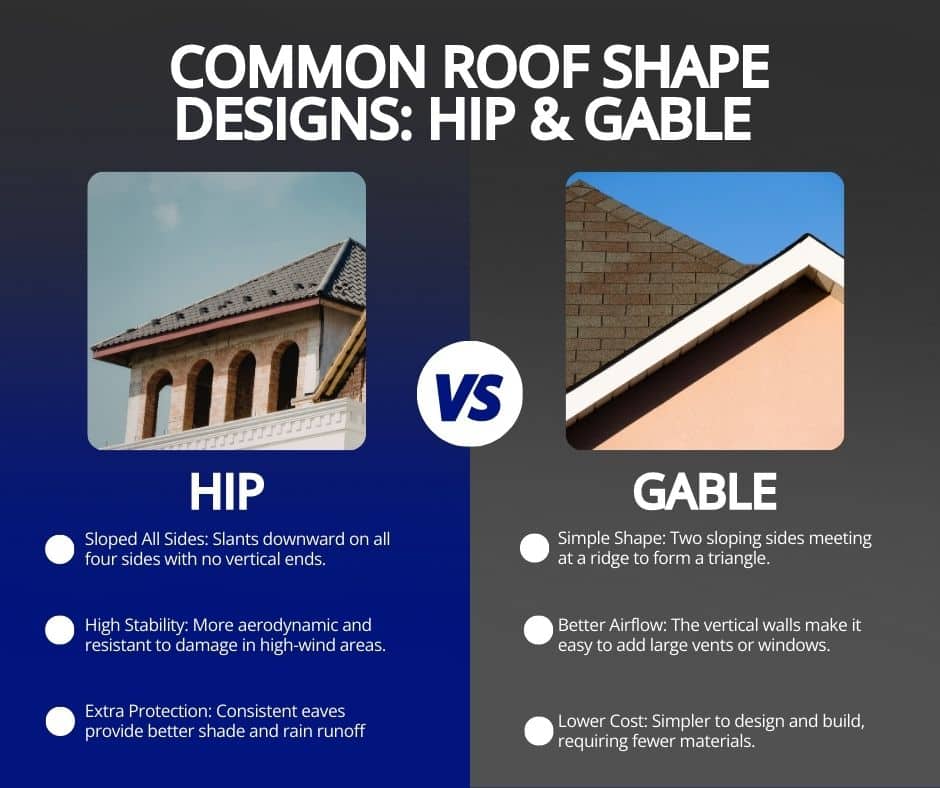
We also note the type of roof shape, such as hip or gable, which plays a role in your overall wind resistance.
Checking the Plumbing System and Fixtures
Water damage is one of the most frequent and expensive insurance claims in the Melbourne area. During a four-point home inspection, we focus on the visible plumbing system throughout your home. This includes the pipes under your sinks, the connections to your water heater, and the visible shut-off valves.
We specifically look for the type of piping material used in the home. For example, polybutylene piping is often a red flag for insurers because it is prone to sudden failure.
We also check the age and condition of your water heater, looking for signs of rust, corrosion, or leaking pipes that could lead to a flood. The home inspector will document the manufacture date of the tank to determine if it is near the end of its expected lifespan.
Visible plumbing inspection checklist:
- Supply Lines: Checking for braided stainless steel versus plastic lines.
- Drain Lines: Inspecting PVC, cast iron, or copper for leaks.
- Water Heater: Verifying the presence of a Temperature and Pressure (T&P) relief valve.
- Shut-off Valves: Ensuring valves are present and not seized by corrosion.
(Visual Idea: A table comparing common plumbing materials found in Florida homes and their typical lifespan/insurance “risk level.”)
Inspecting the HVAC System Performance
The final “point” is your heating, ventilation, and air conditioning system. In our local climate, your air conditioning isn’t just a luxury. It is a necessity for controlling indoor humidity and preventing mold growth. A failing hvac system can lead to secondary damage very quickly in the Florida heat.
The inspector will record the age and condition of the hvac units, including the condensing unit outside and the air handler inside. We check for proper functioning and look for any signs of leaks or excessive wear.
Keeping a well-maintained HVAC system is a great way to ensure it passes this portion of the inspection with flying colors. We also verify that the home has a functional heating source, as this is a technical requirement for many homeowners’ insurance policy options, even in our warm climate.
How to Prepare Your Melbourne Home for an Inspection
Preparing for a 4-point inspection can save you time and help the process go smoothly. You should ensure that the inspector has clear access to the electrical panel, the water heater, the AC unit, and the attic access hatch.
If you have done recent upgrades, having the permits or receipts ready can be very helpful for the inspection report.
| System | What We Look For | Why It Matters |
| Electrical | Panel brand and wiring type | Prevents fire hazards and electrical shorts |
| Roof | Age, shingle condition, and leaks | Prevents water intrusion and structural rot |
| Plumbing | Pipe material and leak signs | Prevents flood damage and mold growth |
| HVAC | System age and operation | Controls home climate and humidity levels |
Navigating Insurance Carrier Requirements
Every carrier has slightly different standards for what they consider “acceptable” in insurance requirements. Some companies might be okay with a 15-year-old water heater, while others may demand a replacement if it is older than 10 years.
It is important to remember that the inspector does not make the rules. We simply document the property’s condition so your agent can find the right insurance coverage for you.
If your inspection results show issues, do not panic. Many homeowners use the inspection as a “to do” list for maintenance. Correcting a small plumbing leak or replacing an old panel can actually make your home more attractive to more carriers.
This often leads to better insurance policy options and potentially lower premiums over the long term.
Other Related Questions
How does a four-point inspection differ from a full home inspection?
A full home inspection is a comprehensive evaluation of the entire property, including the structural integrity, exterior drainage, and appliance functionality. While a four-point inspection is a brief report required by insurers for older homes, a full inspection is a deep dive typically performed during the home-buying process.
What specific issues do insurance carriers look for?
Insurance companies use the report to identify high-risk conditions. They often flag roofs with missing or damaged shingles or signs of active leaks. Other common concerns include outdated electrical panels, such as Zinsco or Federal Pacific, and the presence of polybutylene plumbing, which carriers may require you to address before providing coverage.
Does a four-point inspection cover mold or air quality?
A four-point inspection does not include specialized testing like mold assessments or infrared moisture detection. It focuses strictly on the operational state and age of the four critical systems. If you notice a musty odor or visible growth during the HVAC or plumbing check, a separate mold inspection can provide more clarity.
When should I consider a sewer scope?
If your four-point inspection reveals older cast iron plumbing or if you live in one of Melbourne’s historic neighborhoods with large trees, a sewer scope is a wise addition. While the four-point report only looks at visible plumbing, a sewer scope uses a camera to inspect the main line for cracks, root intrusion, or blockages.
When to Call a Professional
If you’ve received a notice from your carrier or you’re in the home-buying process for an older home in Melbourne, it’s time to call in the experts.
At Honor Services, we provide thorough and professional point inspections that give you and your agent the clear information you need. Our team understands the specific local building codes and the unique challenges of coastal homes.
We serve the entire Space Coast area, providing reports that help you protect your biggest investment. Whether you are dealing with a policy renewal or a new home purchase, we can bundle your 4-point with a wind mitigation or a full home inspection to save you time and money.
Conclusion
A Florida four-point inspection is a powerful tool for maintaining your home’s insurance coverage and ensuring your critical systems are safe. By focusing on the electrical, roofing, plumbing, and hvac system, you can address small issues before they become expensive repairs.
These reports provide the data insurers need to keep you protected in our unique Florida environment. If you need a reliable home inspection in Brevard County, we are here to help you through every step of the process.
Would you like to schedule your four-point inspection today? Contact Honor Services to get started with our local experts.

