
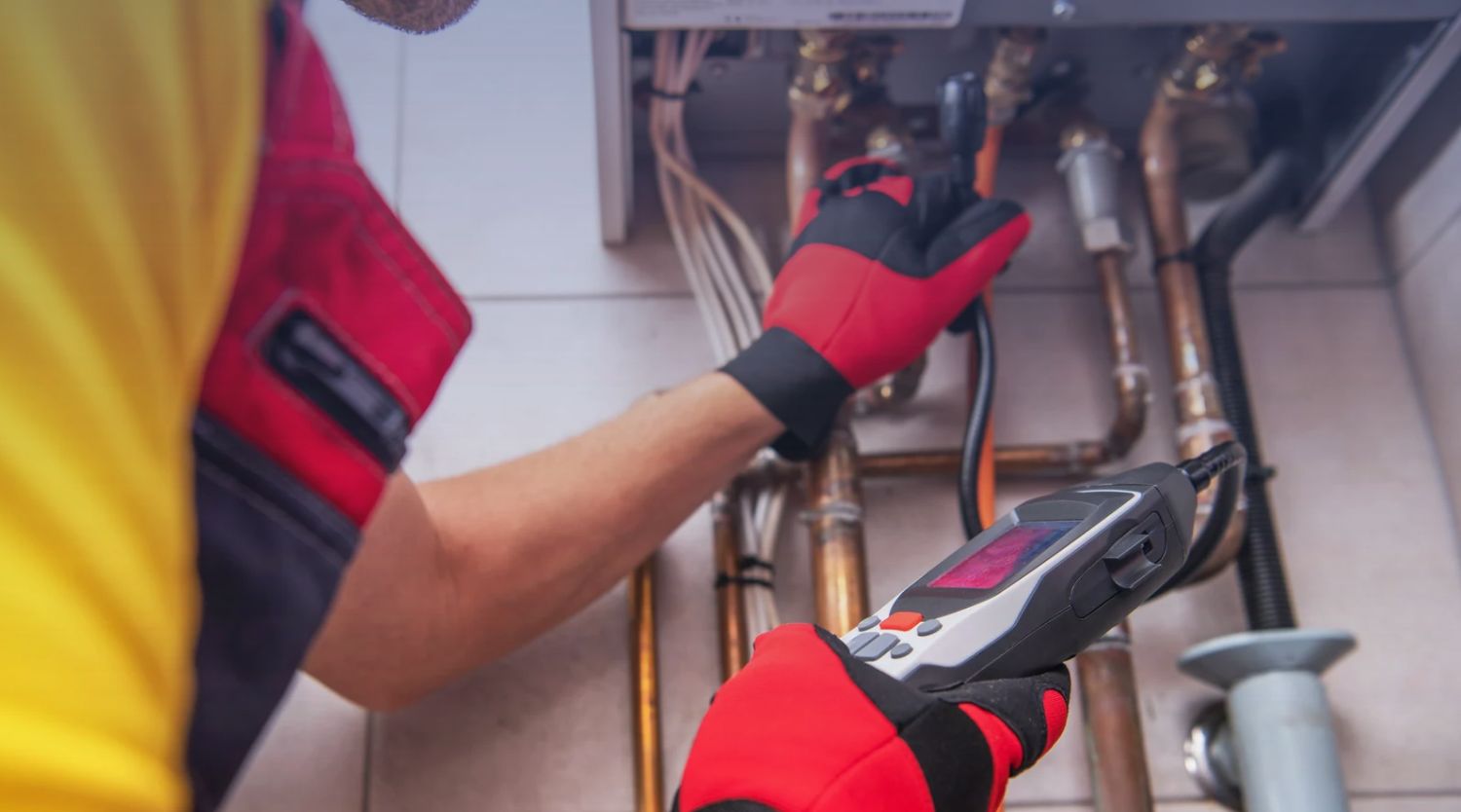
How long plumbing pipes last depends on the material. Copper and PVC often last 50 years or more, while galvanized steel, cast iron, and polybutylene wear out sooner. Most of your pipes sit inside walls and under the slab, so a failing pipe can go unseen until water shows up.
Honor Services inspectors in Melbourne, FL see aging pipes in Brevard County homes, and cast iron drain lines cause us the most trouble. This guide covers how long each pipe type lasts, the warning signs of failing pipes, and when a sewer scope or a plumber makes sense.
How Long Do Plumbing Pipes Last?
Plumbing pipes last from about 20 years for galvanized steel to 80 years or more for plastic drain lines. Every home has two systems. Supply lines bring fresh water in. Drain lines carry wastewater out. Each system uses different materials, and each material ages in its own way.
| Pipe material | System | Typical lifespan | What goes wrong |
| Copper | Supply | 50 to 70 years | Pinhole leaks, especially with corrosive water |
| PEX | Supply | 40 to 50 years | Leaks at connections |
| CPVC | Supply | Decades | Can turn brittle with age |
| Galvanized steel | Supply | About 20 to 50 years | Rust inside the pipe, low pressure, brown water |
| Polybutylene (gray plastic, late 1970s to mid-1990s) | Supply | Often fails early | Cracks form from the inside, then leak |
| PVC and ABS | Drain | 50 to 80 years or more | Damage from sun, harsh chemicals, or poor installation |
| Cast iron | Drain | Roughly 40 to 60 years | Rusts inside, cracks, and can collapse |
These are typical ranges, not promises. Manufacturing quality, water chemistry, installation, and the soil or air around the pipe all change the result. One copper line can look perfect at 75 years while another gets pinhole leaks in its first decade because of corrosive water.
InterNACHI, the home inspector association that certifies our inspectors, publishes life expectancy estimates for home components. It puts cast iron waste pipes at about 50 to 60 years and ABS or PVC waste pipes at 50 to 80 years.
Age alone does not mean a pipe has failed. A 50-year-old cast iron line may still drain fine today. But age tells you when to start paying attention. The hard part is predicting when a pipe will fail, because one failed supply line can flood a home fast.
Why Pipes Break Down Faster Than Expected
Pipes usually fail early because of what touches them, inside and out. These are the most common causes:
- Water quality: Hard water leaves scale inside pipes and fittings. Corrosive water can eat small holes in copper.
- Harsh chemicals: Strong drain cleaners and harsh cleaning products wear down metal pipes. Cast iron and copper take the biggest hit.
- Moisture and soil: Pipes under the slab sit in damp ground. Wet soil speeds up rust on metal drain lines.
- Tree roots: Roots can crack or enter buried sewer lines and block the flow.
- Poor installation: A badly installed pipe fails sooner, even if the material is a good one.
- Sun exposure: Plastic pipe that sits in direct sun can weaken over time. Shade or protect any exposed runs.
Signs of Deteriorating Plumbing Pipes
Watch for the signs below. A single sign can have a simple fix, like a worn faucet part. Several signs together, especially in an older home, point to aging pipes.
Signs in Your Water Supply Lines
- Brown, yellow, or rusty water, or a metallic taste
- Low water pressure at every fixture, not just one
- Banging, rattling, or whistling sounds in the walls
- Rust, flaking metal, green crust, or bulges on pipes you can see
- Damp spots, stains on ceilings or walls, or a musty smell
- A water bill that climbs with no change in how you use water
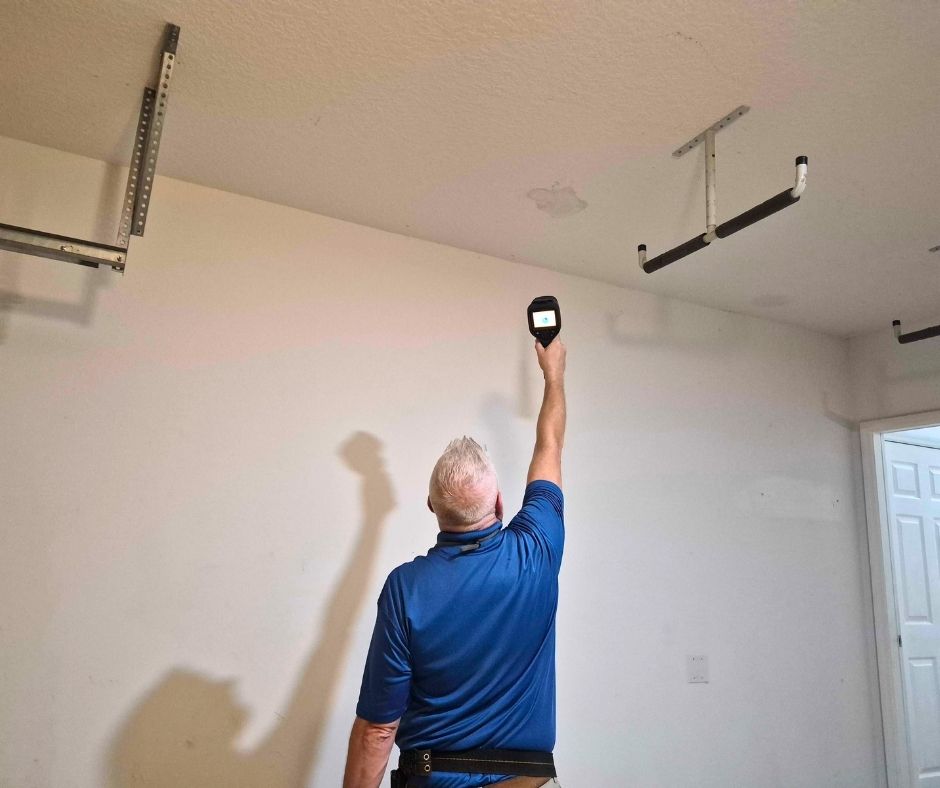
A leaking supply line can cause water damage quickly. If you suspect moisture behind a wall, thermal imaging and water intrusion testing can help find it without tearing anything open.
Signs in Your Drain Lines
- Slow drains in more than one sink, tub, or shower
- Gurgling sounds from drains or toilets
- A sewer smell inside the house or in the yard
- Repeated backups
- Wet, soggy, or sunken patches in the yard
Drain line damage can take a while to show up. When it does, it is often because wastewater floods the house or washes soil away from the line. That soil loss can lead to bigger problems, including structural ones.
Cast Iron Drain Lines in Florida Homes
Cast iron is the drain pipe that causes Honor Services inspectors the most trouble. Many older Florida homes have cast iron drain and sewer lines under the slab. PVC took over in the mid-1970s, so homes built before that are the ones to ask about.
Cast iron rusts from the inside. The pipe can look fine from the outside while the inside narrows, flakes, and thins. Over time, it cracks and leaks wastewater and anything in it. In our area, these lines run under the house, so you usually cannot see them.
Check these things if your home is older:
- Year built. If it was built before about 1975, the drain lines may be cast iron.
- Cleanout caps. A plastic cap can sit on top of an old cast iron line, so the cap alone does not tell you the pipe is PVC.
- Drain behavior. Slow drains, gurgling, and backups in an older home deserve a closer look.
Buying or selling an older home? Ask about a sewer scope inspection before you close.
What a Sewer Scope Shows (and What It Does Not)
A sewer scope is a camera inspection of your main drain line. The inspector feeds a long, thin camera into the line through a cleanout. The inspector chooses the best access point, and the report says where the camera went in. On screen, you can see cracks, blockages, root intrusion, and sagging sections of pipe.
A sewer scope has limits:
- It covers the buried line from the house to the final service point.
- It does not scope every drain line in the house or every pipe under the slab.
- It shows the condition today. It does not predict the exact day a pipe will fail.
Even with those limits, the information is useful. You can decide when to repipe and what it might cost, which is great to know before you buy a home. Honor Services offers sewer scope inspections as an add-on to a home inspection.

What a Home Inspection Can and Cannot Tell You About Your Pipes
A home inspector can only report what is visible. Most plumbing pipes are not. That is true for supply lines in the walls and drain lines under the home, and it is why a standard inspection is a starting point, not a full pipe checkup.
During a home inspection, we look at the visible plumbing, including pipe material, leaks, corrosion, and fixtures. When we see signs of older or failing pipes, we tell you what we found and what to check next.
You can take a few steps on your own:
- Learn your pipe types. Check under sinks, near the water heater, and where the main line enters the home.
- Ask about age. Knowing when the home was built or last repiped helps you plan.
- Plan during remodels. If walls are already open, ask your plumber whether to replace aging sections or repipe.
- Add the right inspection. A sewer scope covers the buried drain line. A four-point inspection, which insurance companies may ask for on older homes, includes plumbing. Sellers can also use a pre-listing inspection to learn about pipe issues before buyers do.
How to Make Your Pipes Last Longer
You cannot stop pipes from aging, but you can slow it down.
- Skip harsh drain cleaners. This matters most with cast iron and older metal pipes. Try a plunger first, or call a pro.
- Fix small leaks early. A drip at a joint can turn into a failed pipe.
- Watch pressure and bills. A slow change often shows up here before anything else.
- Mind your trees. Keep large trees and shrubs away from the sewer line path.
- Protect exposed plastic. Shade or cover PVC that sits in direct sun.
- Treat hard water. A softener or filter can cut scale buildup inside pipes and fittings.
Related Questions to Explore
- How long do plumbing pipes last in a house? It depends on the material. Copper often lasts 50 to 70 years, PEX 40 to 50 years, and PVC drain pipes 50 to 80 years or more. Galvanized steel is closer to 20 to 50 years, and cast iron drain lines last roughly 40 to 60 years. See the table at the top of this post for the full list.
- What are the signs that pipes need to be replaced? Look for brown water, low pressure throughout the house, repeated leaks, visible rust or flaking, and drain backups. One sign may be a simple repair. Several signs, plus pipes near the end of their expected life, point toward replacement.
- Do PVC pipes ever need to be replaced? Sometimes. PVC drain pipes last a long time, but they can crack from impact, weaken in direct sun, or leak at joints that were poorly installed. If a PVC joint leaks or a pipe is cracked, a plumber can repair that section without replacing the whole system.
- Does a home inspection check the pipes? A home inspection covers the plumbing the inspector can see, such as exposed pipes, fixtures, and signs of leaks. It does not cover pipes inside walls or under the slab. A sewer scope adds a camera look at the main buried drain line.
- Is polybutylene pipe a problem? Yes. Polybutylene is a gray plastic supply pipe used from the late 1970s to the mid-1990s. It tends to crack from the inside, so it can fail without warning. Some insurers also ask about it, so check your policy.
- Do I need a sewer scope inspection? Consider one if you are buying an older home, if the home was built before the mid-1970s, or if you have slow drains, backups, or large trees near the sewer line. A scope shows what a standard inspection cannot reach.
When to Call a Professional
Call a licensed plumber when you have a leak, a sewage backup, or pipes near the end of their life. Call Honor Services when you want to know what you have before you buy, sell, or remodel.
Key warning signs to watch out for:
- Water coming through a ceiling or wall
- Sewage backing up into drains or toilets
- A strong sewer smell that does not go away
- Brown water that does not clear
- Polybutylene pipe in the home
Need a plumber? Our list of recommended trade professionals is a good place to start. If you are not sure what is behind your walls or under your slab, our inspectors can look at the visible plumbing and scope the main drain line. Browse more plumbing posts from our inspectors for related guides.
Conclusion
Plumbing pipes do not last forever, and the ones you cannot see are the ones that surprise people. InterNACHI recommends replacing polybutylene pipe before it fails.
- Lifespan depends on the material, from about 20 years for galvanized steel to 80 or more for PVC drain lines.
- Brown water, low pressure, slow drains, and sewer smells are the signs to act on.
- Older Florida homes with cast iron drain lines are good candidates for a sewer scope.
Ready to find out what is under your home? Schedule a sewer scope inspection with Honor Services in Melbourne and across Brevard County.


