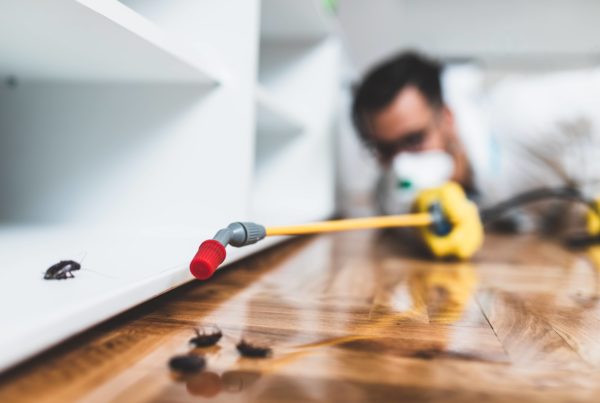
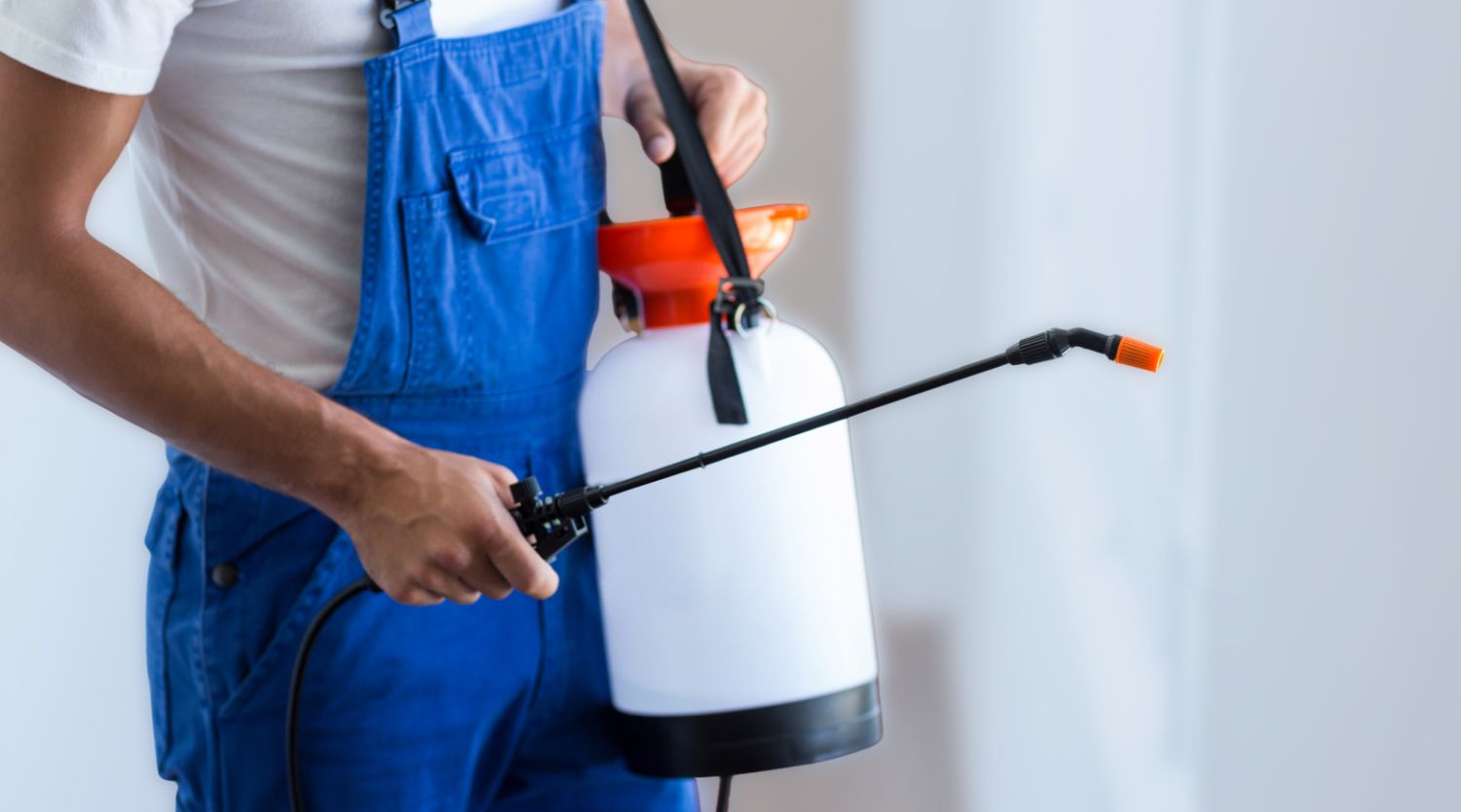
Technically, yes, you can do your own pest control, but in most cases it is not the better choice. Store-bought sprays and traps can knock down a few visible ants or an occasional spider, but they rarely reach the colony, nest, or entry point causing the problem in the first place.
That gap is why so many DIY attempts end up costing more time and money than simply calling a licensed professional from the start.
The Few Cases Where DIY Might Be Enough
There is a small category of situations where a store-bought product might genuinely be all you need:
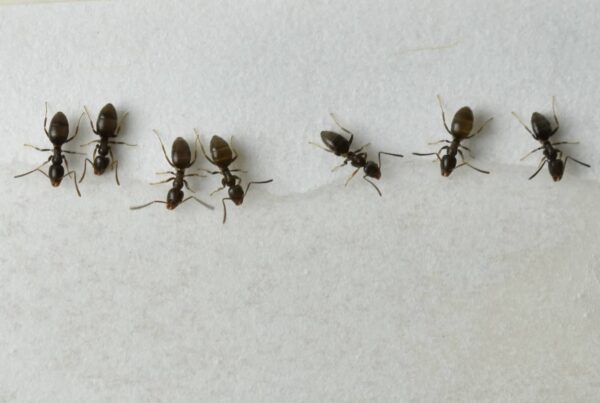
- A single, one-off spider or ant with no sign of a trail or colony
- Seasonal nuisance pests like lovebugs that are a temporary annoyance rather than an infestation
- General prevention habits, like sealing cracks and cleaning up food sources, which are worth doing regardless of who handles treatment
Even here, though, a DIY product only treats what you can see. If the same pest keeps showing up, that is usually a sign the “minor” issue was actually the tip of something larger, and the sooner a professional gets involved, the less it typically costs to resolve.
Why DIY Pest Control Falls Short More Often Than It Works
While tackling a pest issue yourself might seem like a quick, budget-friendly fix, off-the-shelf remedies rarely deliver lasting results. From misidentifying the species to missing hidden nests, several key pitfalls often make DIY pest control far more frustrating and expensive than calling in a professional.
Misidentification is Common
Many pest problems are misdiagnosed at the start. Little black ants, pharaoh ants, odorous house ants, and carpenter ants all call for different treatment approaches, and using the wrong bait or spray on the wrong species often does nothing but scatter the colony, making the problem harder to solve later.
Reaching the Source
Store-bought products typically address the pests you can see, not the colony or nest they came from. Spraying visible ants, for example, does not reach the queen, who will keep producing more workers regardless of what happens on your countertop.
Licensed Treatment
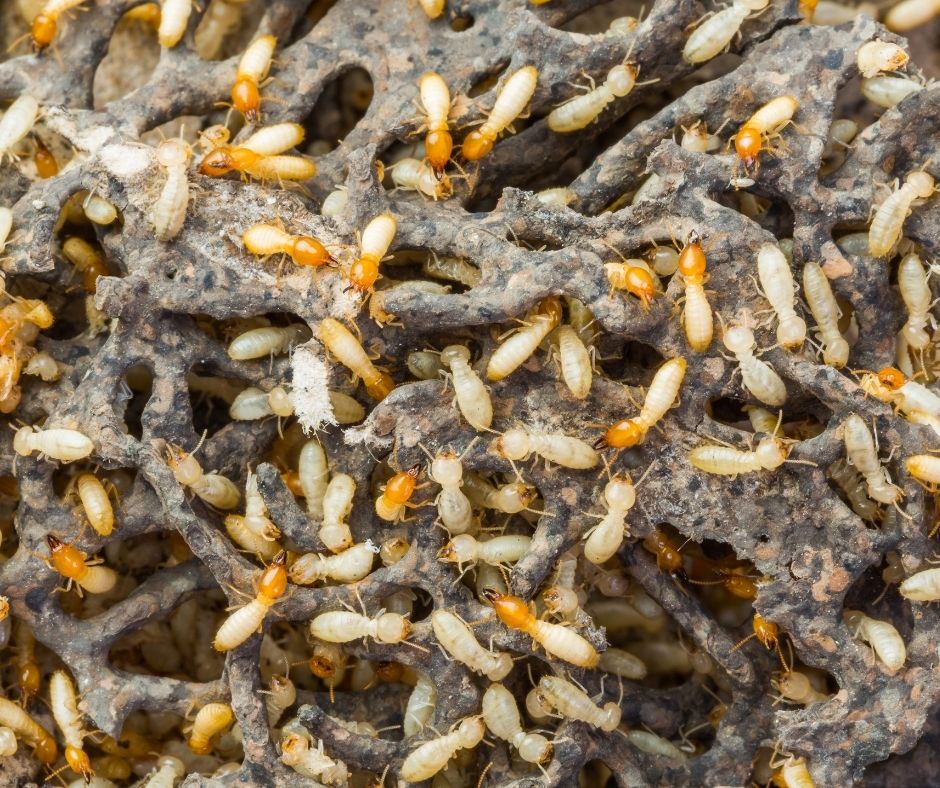
Termites are the clearest example. Termite treatments, including products like Sentricon, require licensed application and ongoing monitoring that is simply not available to consumers. The same goes for many rodent exclusion methods that require an understanding of how and where pests are entering a structure.
DIY: No Guarantee
If a professional treatment does not fully resolve an infestation, most pest control companies will return and retreat. If a DIY product fails, your only options are to try again or call a professional anyway, often after the problem has grown.
Chemical Safety
Pesticides available to consumers are generally less concentrated than professional-grade products, but they still carry real risks if misapplied, especially around children, pets, and food prep areas. Some states also restrict which products and chemicals homeowners can legally purchase or apply.
DIY vs. Professional: A Side-by-Side Look
| Factor | DIY Pest Control | Professional Pest Control |
| Upfront cost | Lower, typically $20 to $50 per product | Higher, typically $200+ per treatment or a recurring plan |
| Speed | Immediate, as soon as you notice the pest | Scheduled, usually within a few days |
| Identification accuracy | Depends on homeowner knowledge | Trained technicians identify species and entry points |
| Reaches the source (nest/colony) | Rarely | Generally yes, through targeted treatment |
| Guarantee if it doesn’t work | None | Most companies offer a warranty or re-treatment |
| Best suited for | Small, isolated, easily identified pests | Infestations, termites, rodents, recurring problems |
What Homeowners Can Still Do
The most effective approach is not DIY versus professional. It’s prevention habits handled by the homeowner, paired with treatment handled by a licensed pro. Sealing entry points and removing food and water sources will not fix an existing colony, but it supports the professional treatment and helps prevent the next one.
These habits are worth doing no matter who is treating the active problem:
- Seal cracks and gaps around windows, doors, and utility entry points.
- Store food in airtight containers and clean up spills and crumbs promptly.
- Fix leaks and standing water, which attract pests looking for a water source.
- Keep firewood, mulch, and debris away from the foundation.
- Trim vegetation and tree branches back from the exterior of the home.
Signs It’s Time to Call a Professional
- You are seeing pests regularly rather than a one-off appearance.
- You cannot confidently identify the pest or its species.
- You suspect termites, carpenter ants, or another wood-destroying organism.
- Store-bought products have not resolved the problem after a reasonable attempt.
- The pest issue involves rodents, which often require exclusion work beyond trapping.
- You are preparing to sell a home and need documentation, such as a termite inspection.
Long-Term Pest Control
DIY treatments can feel cheaper in the moment, but a pest problem that keeps coming back ends up costing more in repeated product purchases and lost time than a single professional visit would have.
Professional pest control also tends to focus on prevention rather than just reaction, identifying the conditions that attracted pests in the first place, whether that is a gap around a utility line, excess moisture near the foundation, or overgrown vegetation touching the exterior wall.
At Honor Services, we approach pest control as pest prevention: working with homeowners to address the conditions that invite pests in, not just the pests you can currently see. Our general household pest treatment covers common Brevard County pests with a plan built around your specific property.
Related Questions to Explore
- How often should pest control be done professionally? Most homes in Brevard County benefit from pest control every one to three months, with quarterly service being a common baseline for ongoing prevention rather than a one-time reaction to a visible problem.
- Is store-bought pest spray as effective as professional treatment? Generally, no. Store-bought products are typically formulated at lower concentrations than professional-grade treatments and are designed for spot treatment rather than addressing a colony or the conditions attracting pests to a property.
- Can I do my own termite treatment? No, not effectively. Termite treatments, including bait systems like Sentricon, require licensed application, and DIY products available to consumers are not equivalent to the professional-grade treatments used to fully address an active termite colony.
- What pests are safe to handle myself? Occasional, isolated pests like a few ants on a counter or a stray spider are generally manageable with basic prevention and store-bought products. Recurring infestations, termites, and rodents typically call for professional help.
- Does DIY pest control save money in the long run? Usually not. DIY products look cheaper up front, but repeated purchases for a problem that keeps returning add up fast, and by the time most homeowners call a professional, the infestation has often grown larger and more expensive to treat than if they had called at the first sign of a problem.
When to Call a Professional
If you have tried a reasonable DIY approach and pests keep coming back, or if you are dealing with termites, a suspected rodent issue, or a pest you cannot identify, it is time to bring in a licensed pest control company. Waiting too long on a termite or rodent problem in particular tends to turn a manageable issue into a costly repair.
The Bottom Line
Can you do your own pest control? In a narrow sense, yes. But for almost every situation beyond a single stray bug, a licensed professional is simply the better route: faster identification, treatment that reaches the actual source, and a guarantee if it does not work the first time.
DIY methods can feel like the cheaper option in the moment, but an infestation left to grow while store-bought products fail to fully resolve it almost always costs more in the end.
If you are dealing with pests in your Melbourne, FL, or Brevard County home, don’t wait for a small problem to become a bigger one.
Honor Services can identify the source and build a real prevention plan around your property. Schedule your pest control service today!