
If sugar ants are marching across your kitchen counter every time you set down a drink or leave out a snack, you are not alone. Many people search for how to get rid of sugar ants, and the solution starts with understanding what attracts them. Sugar-loving ants are one of the most common nuisance pests in Brevard County homes, especially in kitchens, pantries, and around pet food
The good news is that with some simple natural steps and a bit of consistency, you can stop the trails, protect your food, and keep your home more comfortable. When DIY is not enough, a local pest control professional can step in and treat the problem at the source.
What Sugar Ants Are (And Why You See Them Here)
In Florida, “sugar ants” is a nickname people use for several small ant species that are drawn to sweet foods and moisture, such as ghost ants, odorous house ants, and other tiny household ants. These ants are often only a few millimeters long, usually brown, black, or a mix of pale and dark colors.
Around Brevard County, sugar ants are especially common because of the warm, humid climate and the way many homes are built with slab foundations, patios, and lush landscaping that give ants easy paths to your kitchen and bathrooms, especially when there are hidden moisture issues that would benefit from a water intrusion inspection.
Once one worker discovers a food or water source inside, it lays a scent trail that invites the rest of the colony to follow.
Why Sugar Ants Invade
Sugar ants are drawn to homes because they’re constantly searching for food, water, and shelter. Even the smallest food particles, sugary spills, or unsealed containers can become an irresistible target for these tiny scavengers.
Kitchens and pantries are particularly attractive, but sugar ants can also appear near sinks, pet food bowls, or garbage areas, especially when the conditions that attract ants are present.
Moisture is another major factor. Leaky faucets, damp wood, or standing water can provide sugar ants with the hydration they need to thrive and can even signal broader water intrusion problems that should be checked.
Warm indoor temperatures further encourage them to settle in, especially during cooler months when outdoor resources are limited.
Identifying Sugar Ants
Recognizing sugar ants in your home is the first step to getting rid of them effectively. These ants are small, usually measuring between 2 to 15 millimeters, and are typically black or brown.
You might notice their thin, oval-shaped bodies forming long trails to and from food sources.
Sugar ants are often spotted in kitchens, pantries, and bathrooms, especially near countertops, sinks, and baseboards.
They tend to favor places where crumbs, sugary spills, or moisture are present. Another sign to watch for is small piles of dirt or debris near cracks, which could indicate a nesting site.
Common reasons they show up in homes around Melbourne and the Space Coast include:
- Crumbs and sticky spills on counters, floors, and under appliances. Even a small drop of juice or soda can attract hundreds of ants.
- Open food in the pantry, such as cereal, sugar, snacks, or pet food in unsealed bags.
- Moisture from leaky pipes, damp cabinets under sinks, and condensation near windows or around air conditioning lines.
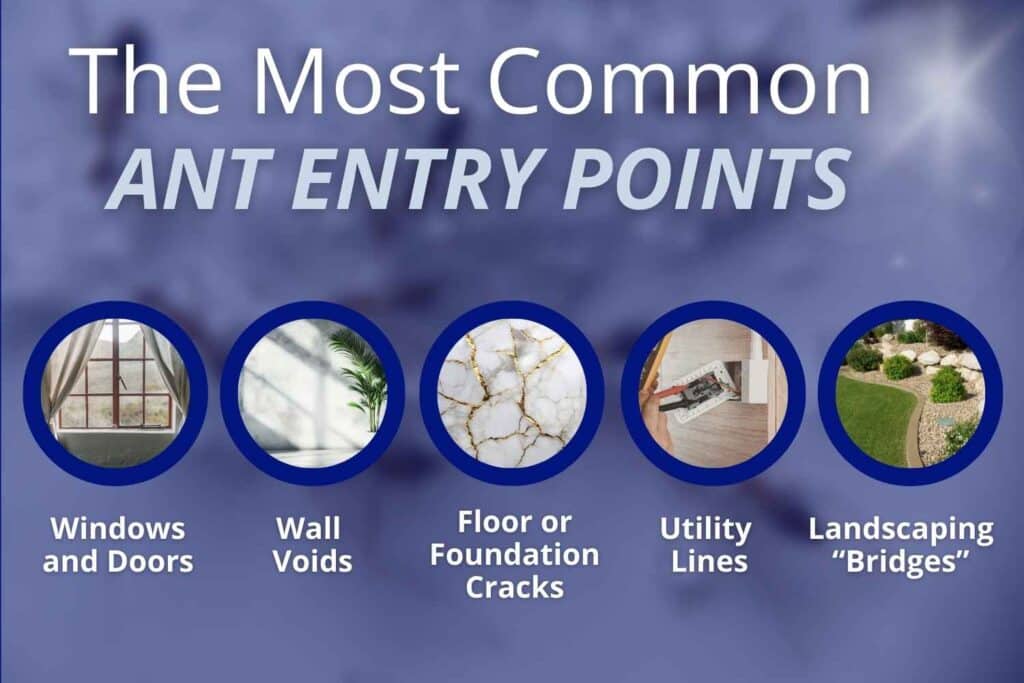
- Easy entry points like gaps around doors, cracks in the slab, weep holes in brick, or landscaping that touches the exterior walls.
Effective Natural Methods to Send Ants Packing
Natural methods work best when you use them together and stay consistent for several days or weeks. Think of it in three parts: clean up, disrupt, and treat.
1) Find and Clean the Trails
Sugar ants follow scent trails laid by other ants, which is why you see them walking in lines. To break those trails:
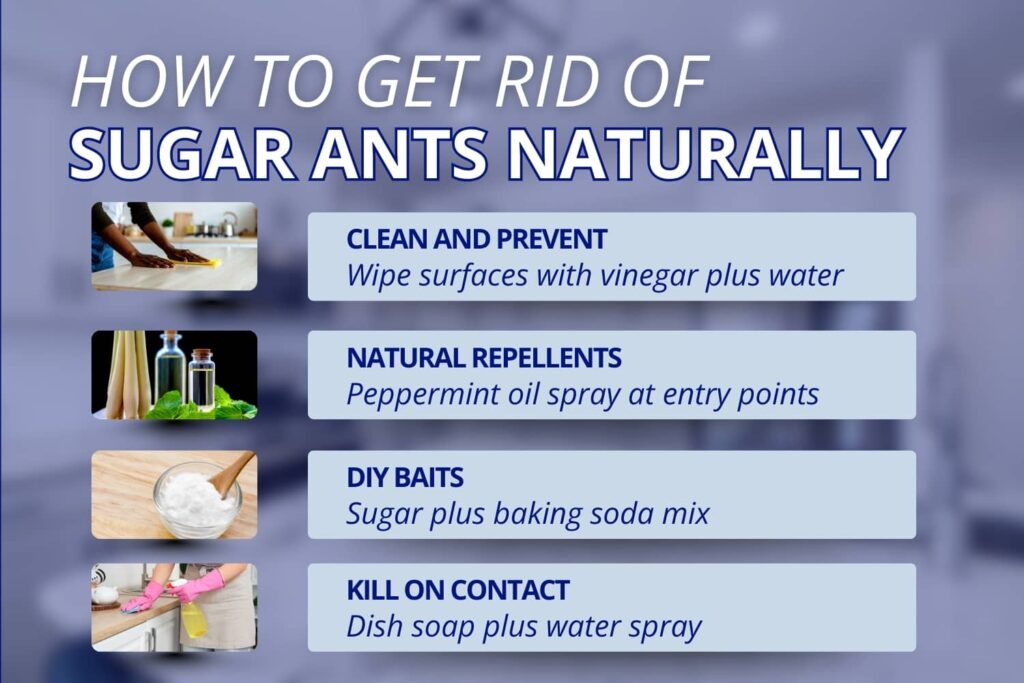
- Wipe ant trails with a mix of equal parts white vinegar and water on counters, baseboards, and floors.
- Use this solution several times a day in active areas until you stop seeing new trails.
- Clean under small appliances, behind canisters, and around trash cans where sticky residue often hides.
Vinegar removes the chemical trail they are following, which makes it harder for new ants to find the same food source and is one of several simple steps also used when dealing with tiny ants in the kitchen.
2) Remove What Attracts Them
Next, make your kitchen and bathrooms less inviting.
- Sweep and vacuum daily to pick up crumbs, especially near the pantry, dining table, and kids’ snack areas.
- Wipe up spills right away, including dried juice around cups, coffee drips, and sticky spots near the sink.
- Store food in airtight containers, including sugar, cereal, flour, pet food, and treats, so you are not accidentally creating the same food conditions that attract ants into your kitchen.
- Empty indoor trash regularly and keep lids closed on kitchen and bathroom cans.
These small habits cut off easy food sources so sugar ants are less likely to set up long-term trails in your home.
3) Block Their Entry Points
Once you reduce food and water, limit how ants can get inside.
- Inspect around doors, windows, and baseboards for tiny gaps and seal them with caulk or weatherstripping.
- Check where plumbing and utility lines enter the house and seal visible cracks.
- Trim plants, shrubs, and tree branches so they do not touch exterior walls or the roof, which can act like bridges for ants.
Blocking entry points will not remove ants outside, but it does reduce the number that can make it into your kitchen and bathrooms.
4) Use Natural Repellents
Some strong scents help discourage sugar ants from crossing into certain areas. These work best as part of a bigger plan, not alone.
- Mix several drops of peppermint, lemon, or tea tree essential oil with water in a spray bottle, then spray along windowsills, door thresholds, popcorn ceiling and baseboards where ants travel.
- Place cotton balls soaked in essential oils near known entry points, like back doors, sliding doors, or under sinks.
- Reapply every few days, especially after cleaning or heavy rain.
Repellents help redirect ants away from certain pathways, but they do not remove the colony by themselves.
5) Try a Homemade Sugar Ant Bait (Use Care)
If trails keep coming back, a natural-style bait is often needed to reach the colony. Baits work because worker ants carry the food back to the nest and share it with other ants and the queen.
A common option uses borax:
- Mix sugar with a small amount of borax to create a dry bait, or make a paste by adding a little warm water.
- Place small amounts on wax paper, in jar lids, or in shallow bait stations near ant trails but away from kids and pets.
- Expect to see more ants at first as they discover the bait. Over several days, activity should start to drop as the colony is affected.
Borax is not a harsh professional pesticide, but it still needs to be handled carefully and kept out of reach of children and animals. If you are not comfortable using borax, stick with cleaning, sealing, and calling a professional if the infestation continues
Preventing Future Sugar Ants
Once sugar ants are out of your home, keeping them from coming back is just as important. Prevention focuses on eliminating the factors that attract them and blocking their access.
- Keep Surfaces Clean: Wipe down countertops, tables, and floors daily, especially in the kitchen and dining areas. Pay attention to less obvious spots, like under appliances or inside cabinets, where crumbs can accumulate.
- Store Food Properly: Use airtight containers for storing pantry items like sugar, flour, and snacks. Open bags or boxes can quickly become ant magnets. Don’t forget to keep pet food sealed when not in use, as it’s another common draw for ants.
- Fix Moisture Issues: Repair leaky faucets and pipes, and check for areas where water might collect, such as under sinks or around plants. Keep your home well-ventilated to prevent dampness from settling in.
- Seal Cracks: Even the smallest openings can be a gateway for sugar ants. Inspect your home’s foundation, walls, and windows for cracks or gaps. Seal them with caulk or weatherstripping to reduce entry points.
Sugar ants taking advantage of a small crack as an entry point into a home
Other Recommended Maintenance
Beyond sugar ant prevention, a few general maintenance habits can help protect your home from a wide range of pests:
- Keep trees, shrubs, and other landscaping trimmed and away from your home’s exterior.
- Check your home’s foundation and siding for any signs of wear or damage that might invite insects inside.
- Inspect weatherstripping and door sweeps regularly to ensure they’re intact.
- Take note of any potential pest activity during routine home checks, such as small droppings, dirt mounds, or nests.
These simple maintenance tips can save you time and frustration by stopping pest problems before they start.
When to Call a Professional
DIY methods work best for small, early sugar ant problems. For larger or recurring infestations, professional help is usually the smarter and faster option.
Consider calling a licensed pest control company like Honor Services when:
- You see sugar ants returning week after week, even after heavy cleaning and natural treatments.
- Ant trails are showing up in several rooms, such as the kitchen, bathrooms, laundry room, and around windows, which can be a sign that there are hidden issues you are not seeing yet.
- You suspect there are multiple nesting sites inside walls, under the slab, or in hard‑to‑reach spaces.
- You prefer not to use borax or store‑bought insecticides around children, pets, or family members with allergies.
Pest control experts can identify hidden colonies, treat hard-to-reach areas, and provide solutions tailored to your home’s specific needs.
Professionals can also offer long-term prevention strategies to help keep sugar ants and other pests from returning. Acting early can save you time, money, and unnecessary stress in the future.
Related Questions
Are sugar ants dangerous?
Sugar ants are mostly a nuisance, not a serious health threat, but they can contaminate food and surfaces as they move across counters, trash, and sinks, much like other common household pests. Their small size also makes them hard to keep out without a plan.
Why do I see sugar ants mostly in my kitchen?
Kitchens offer everything sugar ants need in one place: sweet food, grease, crumbs, and water from sinks or dishwashers, which are the same conditions described in Honor Services’ article on what attracts ants.
Once they find a reliable food source, they will keep returning until that source is removed and their trails are disrupted.
Do natural methods really work on sugar ants?
Yes, natural methods like vinegar cleaning, sealing entry points, and careful use of borax‑based baits can work well on smaller sugar ant infestations when used together and repeated over time, especially when paired with the prevention tips used for tiny ants in the kitchen.
For larger or long‑lasting infestations, natural efforts often need to be combined with professional treatment to fully reach the colony, such as a customized ant control service.
Conclusion
Sugar ants might be small, but they can quickly make your kitchen and pantry feel out of control if they keep coming back day after day. With the right natural steps, you can clean up trails, protect your food, and make your home less attractive to these persistent pests.
If sugar ants are still a problem or you’d like help with prevention, Honor Services can provide safe and effective pest control solutions in Melbourne, FL, and surrounding areas. Contact our team today to schedule an inspection and take the first step toward a pest-free home.