Capping off electrical wires is a straightforward step after removing a fixture, outlet, or switch, but skipping it or doing it wrong creates a real shock and fire hazard. Here is exactly how to cap off electrical wires, what tools you need, and when the job calls for a licensed electrician instead.
What It Means to Cap Off Electrical Wires
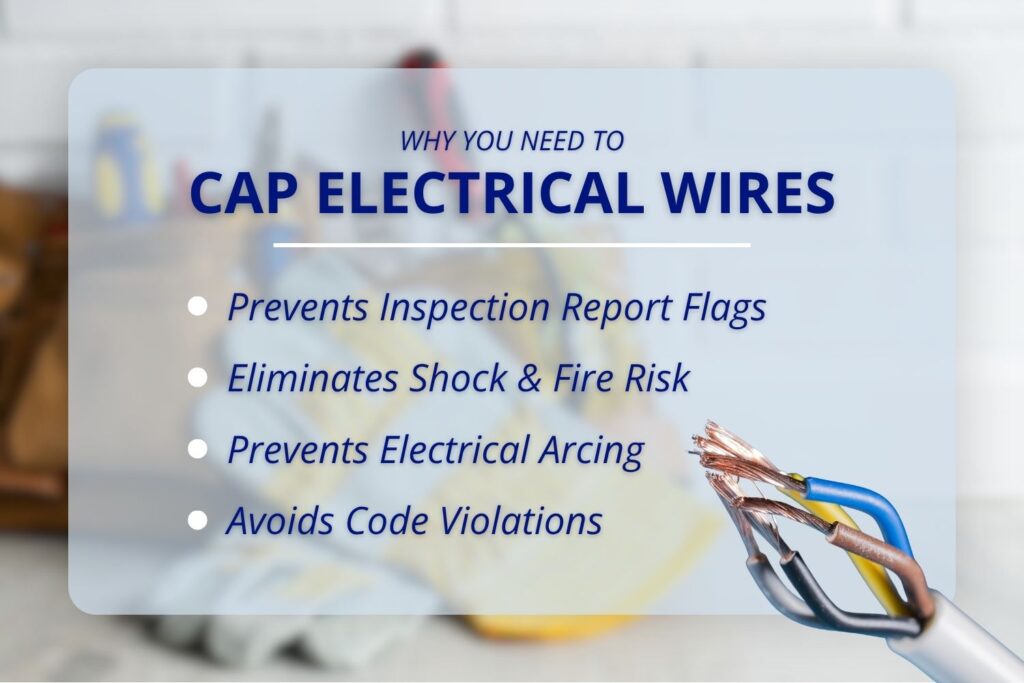
When a wire is no longer connected to a device, its exposed copper conductor can arc against grounded surfaces, cause electrical shock, or ignite nearby combustible materials. Capping places a secure, insulated cover over the conductor end so it cannot make accidental contact with anything.
The term “capping” refers to using wire nuts (also called wire connectors) to seal each individual wire end. The National Electrical Code (NEC) also requires that any capped wires inside a device box be covered with a blank plate, making the work completely enclosed.
Tools and Materials You Need
Before touching any wire, gather everything so you are not hunting for tools mid-job:
- Non-contact voltage tester (this is non-negotiable, never skip it)
- Wire cutters or lineman pliers
- Wire strippers (in case the insulation is damaged at the ends)
- Wire nuts in the correct size for your wire gauge (typically red or yellow for 14- to 12-gauge residential wire)
- Electrical tape for an extra layer of security over the wire nut
- Blank cover plate if you are closing off a device box
- Flashlight or work light
- Voltage tester or multimeter
A quick note on wire nuts: they come in color-coded sizes. Match the nut to the wire gauge shown on the packaging. An undersized nut will not grip and can loosen over time.
Step-by-Step: How to Cap Off Electrical Wires
Step 1: Turn Off the Circuit Breaker
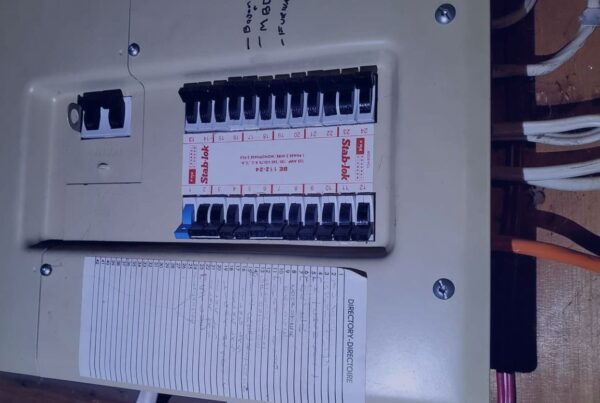
Go to your electrical panel and flip the breaker for the circuit where you are working. Label it so no one accidentally restores power while you are working. For older homes with fuse boxes, remove the fuse entirely.
Step 2: Verify the Power Is Off
Return to the work area and use a non-contact voltage tester near each wire. The tester will beep or light up if voltage is present. Even when a breaker appears to be off, a mislabeled panel can mean the wire is still live.
Test every wire individually, not just one. Once your tester reads zero on all conductors, you can proceed.
Step 3: Trim and Prepare the Wire Ends
Use wire cutters to trim back the wire ends so they are clean and flush with the insulation. If the insulation appears frayed, cracked, or melted, use wire strippers to remove about three-quarters of an inch of insulation and expose fresh conductor. The copper should look bright, not corroded or black.
Step 4: Install Wire Nuts
Twist each wire nut clockwise onto an individual wire end. The nut should grip firmly and not spin freely. If you have wires you need to keep together (for example, two neutrals sharing a circuit), you can cap them together under a single appropriately sized wire nut, twisting them first with lineman pliers before applying the cap.
For added safety, wrap a half-inch of electrical tape around the base of the wire nut where it meets the insulation.
Step 5: Tuck Wires Into the Box and Install a Blank Cover Plate
Fold the capped wires carefully back into the electrical box. Do not pinch or sharply bend wires at the entry point of the box. The NEC requires every junction, device, and pull box to have a cover. Install a blank face plate appropriate to the box size. Secure it with the provided screws.
This step is not optional: an exposed box with capped wires inside is still a code violation.
Step 6: Restore Power and Test
Return to the breaker panel and flip the circuit back on. Use your voltage tester on the cover plate and at any other outlets or fixtures on the same circuit to confirm the rest of the circuit is working normally. Everything should function exactly as it did before, minus the device you removed.

Wire Color Codes You Should Know
Misidentifying wires causes mistakes that can be dangerous. Standard residential color coding in the US:
- Black: Hot (carries current from the panel to the device)
- Red: Also hot (common in 240V circuits or switch legs)
- White: Neutral (returns current to the panel)
- Green or bare copper: Ground (safety path for fault current)
In older homes, wiring may not follow these conventions exactly, particularly in circuits where a white wire has been repurposed as a switch leg. When in doubt, treat any wire as potentially hot and test before touching.
When to Call a Professional
Capping off a standard 120V outlet or light fixture wire in a properly labeled, clearly accessible panel is often manageable as a DIY job. However, certain situations warrant calling a licensed electrician:
- 240V circuits (dryers, ranges, HVAC equipment) carry enough current to be fatal. Leave these to a pro.
- Aluminum wiring, common in homes built between the 1960s and 1970s, requires special wire nuts and handling that most homeowners are not equipped to provide safely.
- No panel label or mystery circuits that will not cooperate with your tester means the risk of live wires is too high.
- Signs of past electrical damage, such as scorch marks, melted insulation, or burning smells near the box.
- Permit-required work in your jurisdiction, which will need inspection.
For any of these, Honor Services provides licensed electrical inspections and repair throughout the area. A quick service call is far less expensive than remediation after an electrical fire.
Related Questions to Explore
- Does a home inspection include the electrical panel? Yes. Honor Services inspects the electrical panel as part of every standard home inspection, looking for issues like double-tapped breakers, undersized wiring, missing knockouts, improper grounding, and signs of overheating — including capped or abandoned wires that may indicate unpermitted work.
- Will capped or abandoned wires show up on my inspection report? Absolutely. Abandoned wiring that isn’t properly terminated and secured in a covered junction box is a reportable defect. Your Honor Services inspector will flag it, photograph it, and note whether it appears to be a code concern worth following up with a licensed electrician.
- What’s the difference between a 4-point inspection and a full home inspection when it comes to electrical? A 4-point inspection focuses on the panel type, wiring material, and known hazard indicators. A full home inspection goes much deeper, assessing outlets, switches, visible wiring, junction boxes, and more throughout the entire home.
- If the inspector finds an electrical issue, does Honor Services do the repair? No, Honor Services performs inspections only and remains vendor-neutral, so your report stays unbiased. If an issue is found, we’ll document it clearly so you can bring in a licensed electrician for the repair or further evaluation.
- Can a wind mitigation or 4-point inspection affect my homeowner’s insurance in Florida? Yes, significantly. Florida insurers use these inspections to assess risk. Electrical panel brands known for defects or wiring types like aluminum branch wiring can affect your premiums or insurability, so catching these issues early matters.
When to Call Honor Services
If you notice a loose, uncapped wire during a home inspection, during a renovation, or while troubleshooting another issue, the smart move is to get it assessed by a professional before treating it as a minor cosmetic fix.
Conclusion
At Honor Services, our licensed electricians can inspect the full circuit, cap wires to code, and identify any underlying issues that contributed to the problem in the first place. For homeowners dealing with aging wiring, post-renovation exposure, or any situation where you are not certain which breaker controls what, schedule an electrical inspection.
You can also explore our home inspection services if you are buying or selling a property and want a comprehensive electrical review before closing. Call or schedule online with Honor Services today!