Keeping insects out of your home requires sealing entry points, removing attractants, and maintaining a few ongoing habits. This guide covers exactly how to bug-proof your home from the inside out, without relying on heavy chemical sprays unless absolutely necessary.
Why Insects Enter Your Home in the First Place
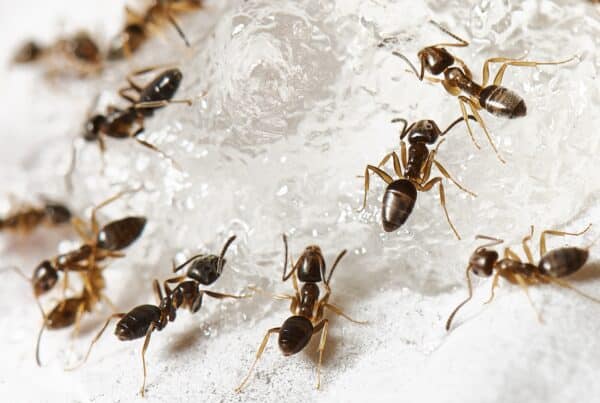
Insects are opportunists. They are looking for food, water, and shelter, and your home provides all three. Ants follow scent trails to crumbs and spills. Cockroaches are drawn to warm, moist environments near sinks and appliances.
Flies breed near decaying organic matter. Mosquitoes need only a bottle cap of standing water. Spiders go where the other insects already are.
Understanding what draws them in is the starting point for keeping them out. The strategies below address each of these motivators directly.
Seal Your Home’s Entry Points
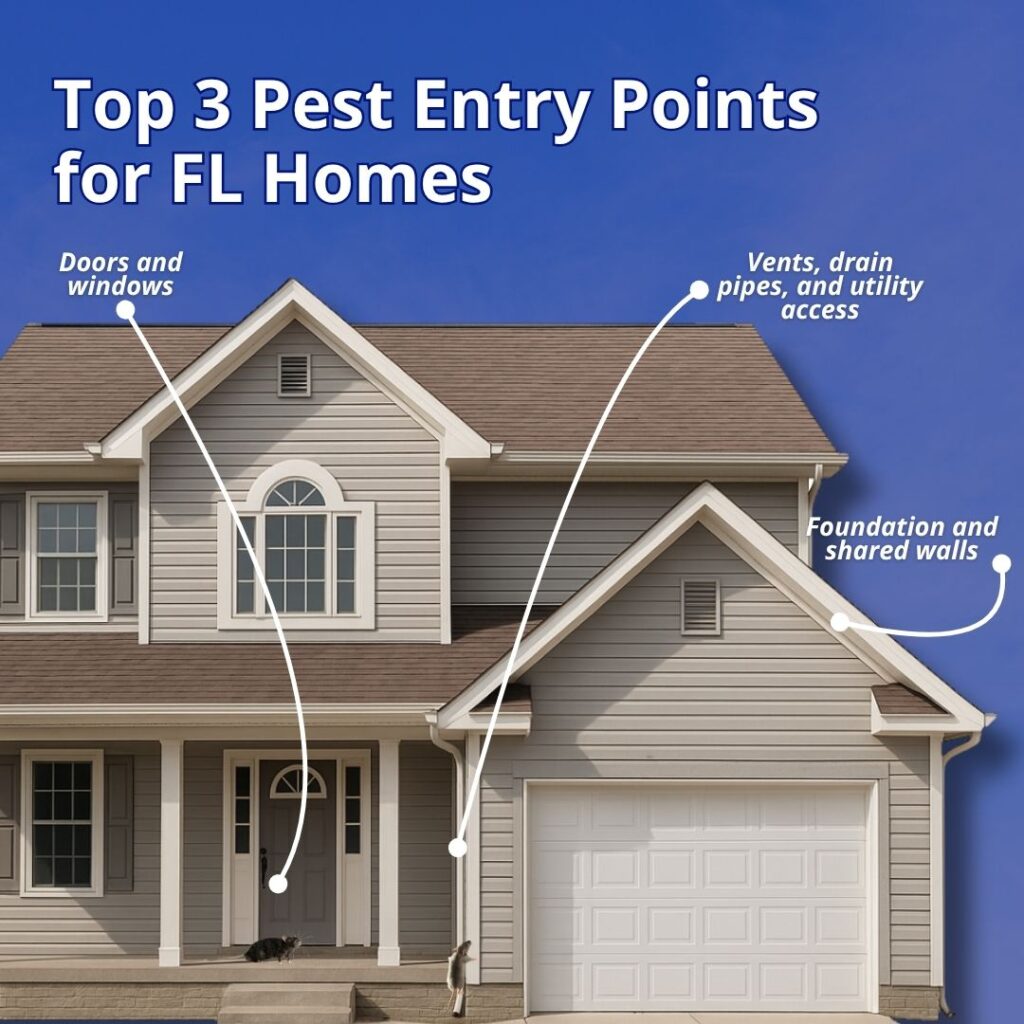
Insects can enter through gaps far smaller than most homeowners expect. A cockroach can squeeze through a crack the width of a quarter, and ants can find pathways through gaps around pipes, utility lines, and window frames.
Work through this checklist:
- Doors: Install door sweeps on all exterior doors, including garage doors. Replace worn weatherstripping around door frames. Pay particular attention to sliding glass doors and French doors, which often develop gaps along the bottom rail.
- Windows: Every window should have a screen rated at 20-mesh or finer. Repair tears immediately with a patch kit. Even a small hole is large enough for mosquitoes and flies to enter.
- Foundation and Exterior Walls: Walk the perimeter of your home and look for cracks at the foundation line, around utility penetrations, and where siding meets trim. Caulk these gaps with a paintable, weather-resistant exterior caulk. Check around air conditioning lines and dryer vents as well.
- Pipes and Plumbing: Gaps around kitchen and bathroom pipes under sinks are a common entry point for cockroaches and ants. Foam sealant or caulk around any pipe penetration through walls or floors.
Eliminate Food and Water Sources Inside
Once entry points are sealed, the next priority is removing the attractants and the reasons insects want to come in at all.
Kitchen
Store all food in airtight containers, including pet food. Clean up spills and crumbs immediately. Wipe down the sticky undersides of jam jars, honey containers, and syrup bottles before putting them away.
Do not leave dirty dishes in the sink overnight. Use a drain brush or enzymatic drain cleaner monthly to remove the slimy biofilm inside drains, which is a prime breeding ground for drain flies.
Garbage
Keep trash cans sealed and empty them regularly. Rinse all cans and recyclable containers before placing them in the bin. Clean the inside of your garbage cans every month or two, especially in warm weather.
Standing Water
Fix any dripping faucets or slow leaks under sinks. Insects, particularly cockroaches and silverfish, are strongly attracted to moisture. Empty pet water bowls overnight if you have recurring ant problems.
Manage Your Yard to Reduce Pest Pressure
Insects do not materialize inside your home from thin air. They enter from the surrounding environment. Reducing pest pressure in your yard makes the battle indoors much easier.
Keep firewood stacked at least 20 feet from the house. Wood piles are a harborage site for ants, termites, spiders, and beetles. Once the pests establish a colony near the house, indoor entry becomes inevitable.
Trim tree limbs and shrubs that touch your roofline or walls. These create natural bridges for ants and other crawling insects. Mosquitoes breed in any standing water, including birdbaths, planters, clogged gutters, and low-lying yard areas. Empty or refresh standing water sources twice a week during warm months and clean gutters each season.
Rake leaves and remove debris piles regularly. Decomposing organic matter is both shelter and food for a wide range of pests. Keep mulch pulled back at least 12 inches from your foundation.
Natural Repellents That Actually Work
If you prefer to reduce your reliance on pesticides, several natural options have real efficacy:
- Diatomaceous earth (food-grade) is a powder made from fossilized algae that damages the exoskeletons of insects and causes them to dehydrate. Sprinkle a thin layer along baseboards, under appliances, and around entry points. It is effective against cockroaches, ants, spiders, and bed bugs, and is safe around humans and pets when used as directed.
- Peppermint oil repels ants, spiders, and mice. Mix 10 to 15 drops with eight ounces of water in a spray bottle and apply around doorways, vents, and windowsills. Refresh every few weeks.
- White vinegar disrupts the scent trails that ants use to navigate. Wipe down kitchen counters, windowsills, and entry points with a 1:1 solution of white vinegar and water. Acetic acid also repels spiders.
- Lavender, basil, and rosemary planted near entry points or kept in pots on windowsills naturally deter flies, mosquitoes, and moths.
- Bay leaves placed in pantry shelves and cabinets are a long-standing kitchen remedy against weevils, moths, and other pantry pests.
Ongoing Habits That Make the Biggest Difference
The homeowners who have the fewest pest problems are consistent about a handful of simple habits:
- Vacuum weekly, including along baseboards and behind appliances where crumbs and debris accumulate out of sight. Empty the vacuum bag or canister outside immediately after.
- Declutter regularly. Cardboard boxes, stacked newspapers, and piles of fabric are prime hiding and breeding spots for cockroaches, bed bugs, and silverfish. Plastic bins with lids are far better for storage.
- Inspect secondhand items, including furniture, clothing, and boxes, before bringing them inside. Bed bugs in particular travel on used furniture and luggage.
- Keep indoor plants healthy. Overwatered soil is a breeding ground for fungus gnats. Let the top inch of soil dry between waterings and use a well-draining potting mix.
Related Questions to Explore
- What is the most common way insects get into homes? Gaps under exterior doors and around utility penetrations are the most common entry points. Door sweeps and caulk address most of these. Window screens with small holes are also a frequent culprit for flying insects like flies and mosquitoes.
- How do I get rid of ants that are already inside? First, identify and remove the food source attracting them. Wipe down all surfaces with white vinegar to destroy scent trails. Apply diatomaceous earth or a bait gel along their entry route. Bait products work best because foragers carry the bait back to the colony rather than just killing individual ants.
- Do essential oils really repel insects? Some do, with varying effectiveness depending on the insect. They work best as supplemental measures alongside physical exclusion and sanitation, not as standalone solutions. Citrus oil, Eucalyptus oil, and Peppermint oil are all common for varying pest prevention.
- When should I call a pest control professional? If you have tried exclusion and sanitation measures for several weeks without results, if you discover what appears to be a termite infestation, or if you find a bed bug, call a professional immediately. These situations require targeted treatment beyond DIY capabilities.
- How often should I inspect my home’s exterior for pest entry points? Twice a year is a minimum, ideally in spring before insect season begins and in fall before insects seek winter shelter. Focus on caulk condition, weatherstripping, screen integrity, and utility penetrations.
When It Pays to Have a Professional Take a Look
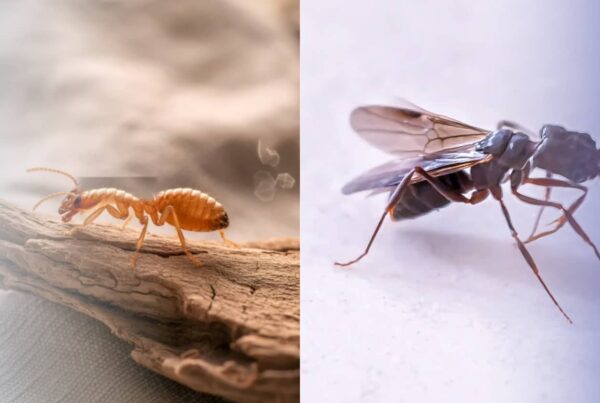
DIY bug-proofing handles the vast majority of common household insect problems. But some situations are beyond what a tube of caulk and a bottle of peppermint oil can address, particularly termites, carpenter ants, and recurring bed bug infestations. These require professional assessment and treatment.
Conclusion
If you have noticed persistent insect activity inside despite your exclusion efforts, or if a home inspection has flagged potential pest-related damage, Honor Services can conduct a thorough inspection to identify what is getting in and where.
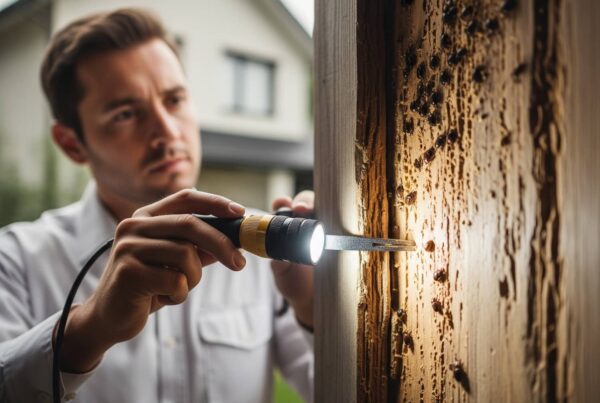
Our inspectors are trained to spot evidence of pest activity, moisture intrusion, and structural gaps that create ongoing entry opportunities. Learn more about our inspections and how they can surface conditions that make pest problems worse.
Call or schedule online with Honor Services for your pest prevention needs today!