No recall was ever issued for Federal Pacific electric panels, and millions of them are still installed in homes across the country. That is not an oversight. It is the result of a federal investigation that closed without a conclusion, a manufacturer that no longer existed, and an agency that ran out of budget before it reached a verdict.
For Florida homeowners, the practical consequence is straightforward: there is no mandate to remove the panel, but most insurance carriers will refuse to cover a home that has one.
At Honor Services, we document Federal Pacific electric panels on four-point inspections throughout Brevard County. Here is what you need to know about how this situation came to be and what it means for your home.
What Is a Federal Pacific Electric Panel?
A Federal Pacific electric panel is an electrical service panel manufactured by Federal Pacific Electric Company between roughly 1950 and the early 1980s.
These panels were installed in millions of American homes during decades of rapid suburban growth, largely because they were inexpensive and widely available.
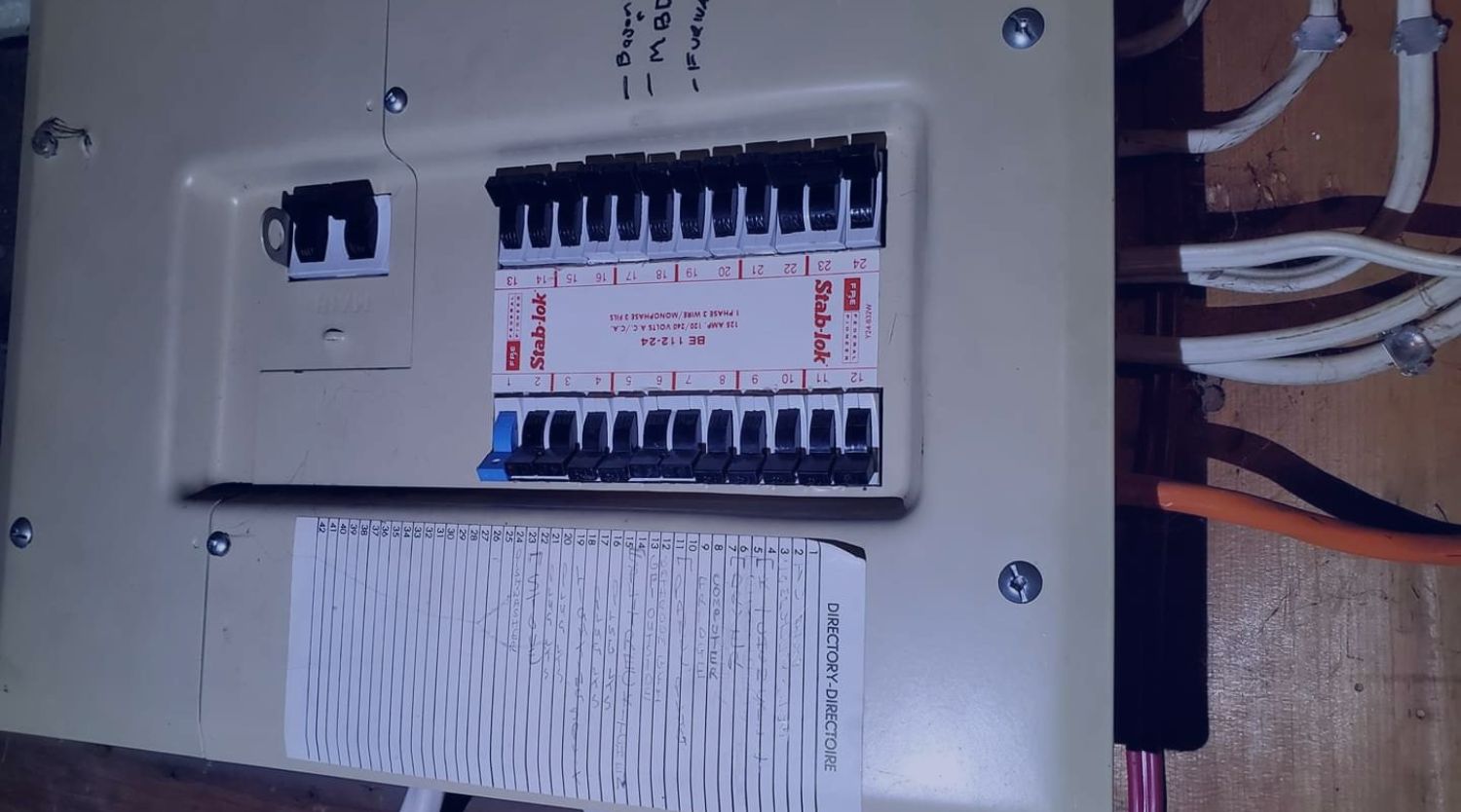
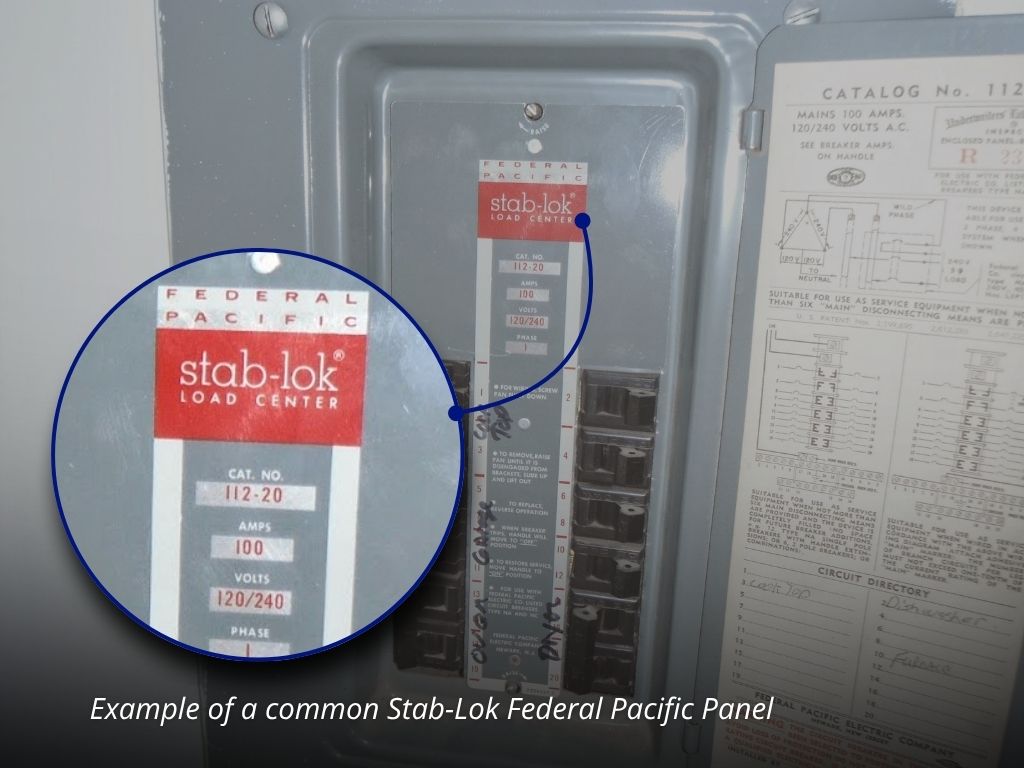
The most recognized version is the Stab-Lok panel, named for the way its circuit breakers snap into contact with a metal bus bar inside the box.
At the time of installation, these panels were code-compliant and standard in new residential construction throughout Florida and the rest of the country.
Why These Panels Were So Common
Federal Pacific Electric was one of the five largest electrical equipment manufacturers in the U.S. during the mid-20th century. Their products fit the budget of postwar homebuilders and passed the certification requirements of the era.
Homes built in Brevard County and across the Space Coast between the 1950s and 1980s routinely received FPE equipment, especially during the housing booms of those decades.
If your home was built during that window and has never had an electrical panel replacement, there is a real chance it still has one.
What Makes a Stab-Lok Breaker Dangerous?
Every circuit breaker has one critical job: trip when a circuit is overloaded. That automatic shutoff is what prevents overheated wiring from starting a fire.
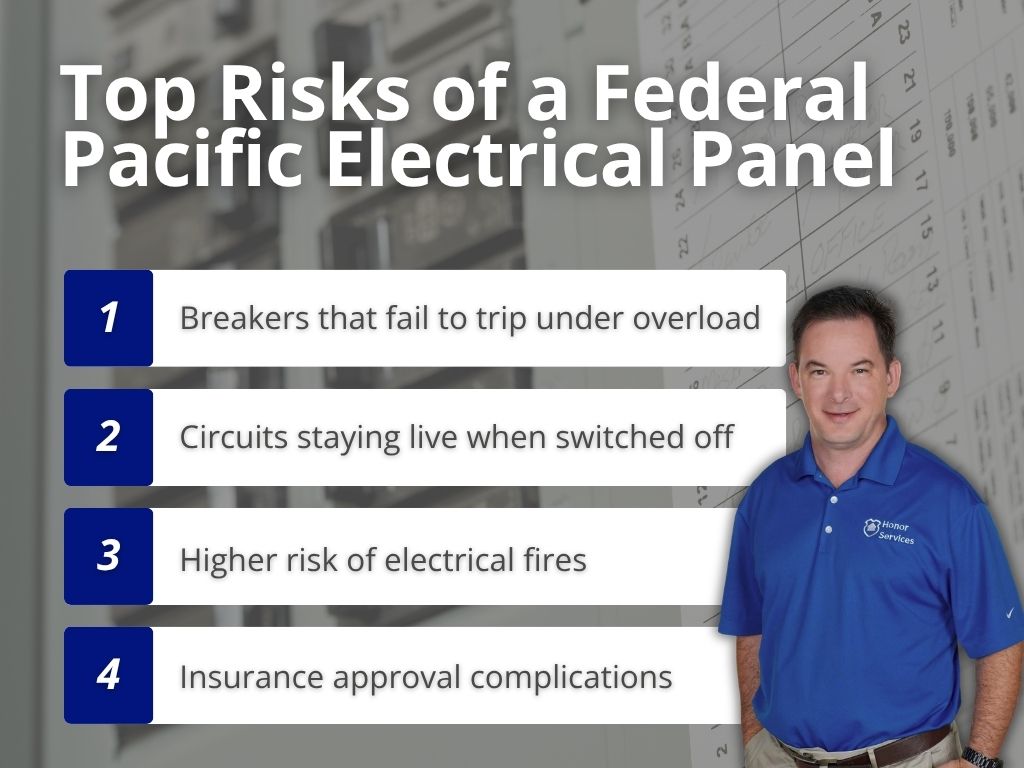
Stab-Lok breakers fail to do this at an unusually high rate. Independent testing has documented failure-to-trip rates far above industry standards. Per the National Fire Protection Association’s electrical safety research, breaker failure is one of the leading contributors to residential electrical fires.
There is a second failure mode worth knowing about:
Some Stab-Lok breakers allow electricity to flow even when the switch is in the off position. A homeowner who believes they have cut power to a circuit may not have done so at all.
That is not a theoretical risk. It has shown up in both independent testing and in the fieldwork of electricians who have serviced these panels for decades.
Was There Ever an Official Recall?
No. The CPSC investigated Federal Pacific electric panels but never issued a recall. That distinction creates a lot of confusion, so it is worth understanding exactly what happened.
What the CPSC Actually Found
The Consumer Product Safety Commission opened a formal investigation around 1980 after electricians and fire investigators raised concerns about breaker performance.
Their testing showed that a significant portion of the panels failed to meet Underwriters Laboratories (UL) standards. UL itself removed its listing for FPE Stab-Lok breakers during this same period.
Separately, a New Jersey state court later found in a class action case that Federal Pacific Electric had violated consumer fraud law.
The court determined the company had distributed breakers that were never legitimately tested to UL standards, meaning the certification the panels carried had been obtained fraudulently.
Why the Investigation Closed Without Action
The CPSC closed its investigation in 1983. Two factors are consistently cited:
Budget Constraints
The commission had limited resources and had recently lost a major lawsuit over aluminum wiring. Another drawn-out legal fight with a corporate parent was not a battle the agency was positioned to take on.
A Defunct Manufacturer
Federal Pacific Electric had been absorbed by Reliance Electric before the investigation closed. A recall targeting a company that no longer functioned as an independent entity offers no practical remedy for consumers.
The CPSC’s official closing statement said the available data did not establish that the breakers posed a serious risk of injury. In 2011, the commission issued a clarifying release noting that the closure was not a finding that the panels were safe. It was an acknowledgment that the question was never fully answered.
What No Recall Means for Homes Today
The absence of a recall does not mean the risk has been resolved. It means the risk was never formally addressed at a regulatory level.
Electricians, home inspectors, and insurance underwriters have reached their own conclusions in the decades since, and those conclusions have real consequences for Florida homeowners.
Insurance Consequences in Florida
| Situation | Likely outcome |
| Buying a home with an FPE panel | Most carriers will not issue a new policy |
| Renewing an existing policy | Carrier may require replacement or issue a non-renewal |
| Four-point inspection required | Panel type is documented and reported to the insurer |
| Selling a home with an FPE panel | Buyer’s lender may require replacement before closing |
Florida homes older than 30 years are typically required to pass a four-point inspection before a new homeowners insurance policy can be issued.
An FPE panel flagged on that report is a near-automatic coverage problem with most carriers in the state.
What Happens at a Four-Point Inspection?
A four-point inspection documents the condition and approximate age of a home’s four main systems: roof, HVAC, plumbing, and electrical. For the electrical section, the inspector notes:
- Panel manufacturer and model type
- Service amperage
- Wiring type visible in the panel
- Any observable defects or safety concerns
When an FPE panel is present, it gets documented. The inspector does not test whether individual breakers will trip under load. That is outside the scope of a visual inspection.
What gets reported is the manufacturer and the known history of the panel type. The insurance carrier then makes its own underwriting decision based on that report.
At Honor Services, our inspectors are familiar with how Brevard County carriers treat FPE panels and will note the implications clearly in your report.
How to Tell If You Have a Federal Pacific Panel
If your home was built between the 1950s and the early 1980s, take a few minutes to check your electrical panel. Here is what to look for:
- Label on the cover: The words “Federal Pacific Electric” or the abbreviation “FPE” stamped into the metal door
- Breaker appearance: A red stripe or red band running across each breaker switch
- Interior label: The words “Stab-Lok” printed on a sticker inside the panel
- Recessed installation: Common in older construction, often in a hallway, garage, or utility closet
Not every older panel is a Federal Pacific panel. Other problematic brands from the same era include Zinsco and Challenger. If you are not sure what type of panel you have, a home inspection or four-point inspection will identify it.
For context on how aluminum wiring, another common concern in older Florida homes, gets handled during inspections, see our post on whether aluminum wiring will pass inspection.
Related Questions to Explore
Is a Federal Pacific electric panel still legal to have? Yes. No law or building code requires removal of a Federal Pacific electric panel from a home that already has one. The panel was legal at the time of installation, no recall was ever issued, and no federal regulation mandates replacement. The pressure to replace comes from insurance carriers and from the documented safety risk, not from a legal mandate.
Will a Federal Pacific panel pass a home inspection? Home inspections do not work on a pass/fail basis. A Federal Pacific panel will be flagged in the inspection report as a panel type with a documented history of breaker performance concerns. The inspector will recommend evaluation by a licensed electrician. For more on what gets reviewed during a general inspection, see our home inspection page.
Can I get homeowners insurance with a Federal Pacific panel in Florida? It is difficult. Most Florida carriers will not issue a new policy for a home with a Federal Pacific electric panel, and a four-point inspection will surface the panel to any insurer that requests one. Some specialty carriers will write coverage, often at higher premiums. Panel replacement is the most reliable path to standard coverage.
Is a Federal Pacific panel the same as a Stab-Lok panel? Stab-Lok refers to the specific circuit breaker design used in Federal Pacific panels. All FPE Stab-Lok panels are Federal Pacific panels, but not every Federal Pacific panel uses the Stab-Lok breaker design. The Stab-Lok name is what appears in most safety testing literature and in court documents from the class action cases. If you see either name on your panel, treat it as the same concern.
When to Call a Professional
If you have found a Federal Pacific electric panel, the right next call depends on your situation:
1) You are buying a home: Contact your insurance agent before you close. Most Florida lenders require insurance as a condition of the loan, and most carriers will not cover a home with an FPE panel. Knowing this early gives you time to negotiate a seller credit or require replacement as a condition of sale.
2)You already own the home: Schedule an evaluation with an inspector or licensed electrician. They can assess the condition of the breakers and the overall state of the service equipment. A visual check can confirm the brand, but only a qualified electrician can assess the functional risk.
3) You need an inspection for insurance purposes: Schedule a four-point inspection with Honor Services. Our team inspects the full electrical system, documents the panel type, and delivers your report the same day. We serve homeowners throughout Brevard County and the Space Coast.
Conclusion
The reason a recall never came for Federal Pacific electric panels comes down to three things: a manufacturer that had already gone out of business, a federal agency that closed its investigation before reaching a verdict, and legal risk that made further action unattractive. The panels stayed in millions of homes by default.
Here is what matters for your property today:
- No recall means no mandate to replace, but insurance carriers have drawn their own conclusions
- In Florida, a four-point inspection will document the panel, and most carriers will not cover homes that have one
- Panel replacement is the standard recommendation from electricians, inspectors, and underwriters
If you are buying, selling, or simply trying to understand what an older electrical panel means for your coverage, Honor Services can help.
Schedule your inspection online or contact our team today.