A mobile home tie-down inspection checks the straps, anchors, and piers that hold a manufactured or mobile home to the ground, confirming they meet state installation standards and can resist uplift from high winds.
It’s a common requirement for FHA and VA loans, and a smart safety check for any Florida mobile home owner given the state’s hurricane risk.
Here’s what the inspection covers, who typically needs one, and what to expect from the process.
What Is a Mobile Home Tie-Down Inspection?
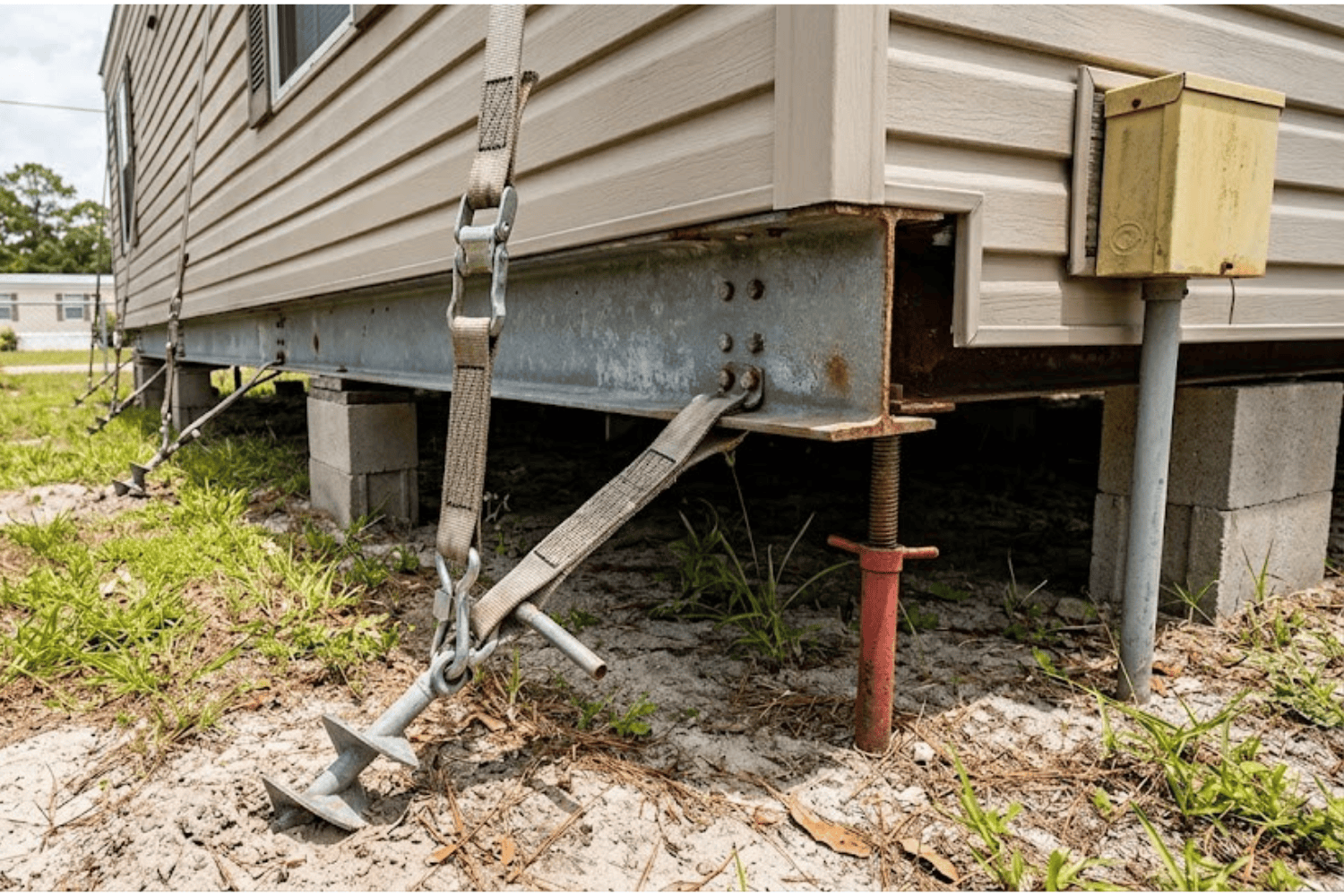
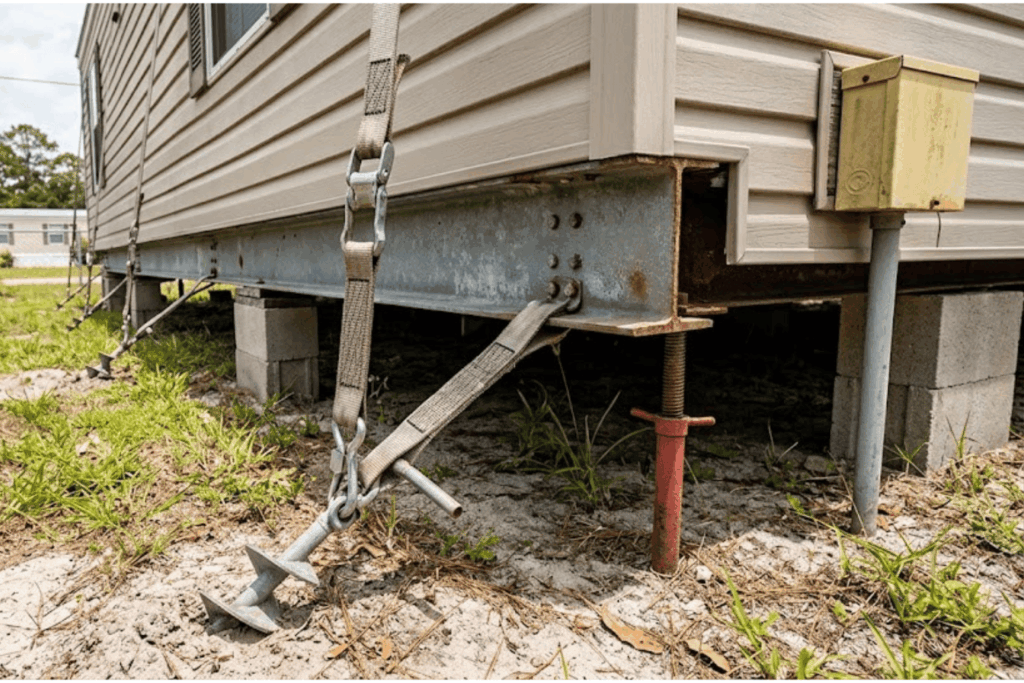
A tie-down inspection is a structural check of the anchoring system that secures a manufactured or mobile home to its foundation. That system usually includes metal straps embedded in concrete footers and wrapped into the home’s frame, ground anchors, and support piers.
The goal is simple: keep the home from lifting, sliding, or shifting during high wind events.
Inspectors verify that the tie-downs are installed correctly, spaced properly, and free of corrosion or damage, and that the home meets the anchoring standards set for its size, age, and wind zone.
In Florida, those standards come from the Florida Administrative Code’s Installation Standards for Anchors and Tie-downs, which sets spacing, anchor strength, and roof tie requirements for new and used manufactured homes.
Diagonal tie-downs, for example, generally can’t be spaced farther apart than about five feet four inches, with anchors placed within two feet of each end, so the inspector is checking real, measurable specifications rather than making a subjective call.
Manufactured, Mobile, or Modular: Does It Matter?
The terms get used loosely, but there’s a real distinction. Homes built after June 15, 1976 fall under HUD’s Manufactured Home Construction and Safety Standards and carry an exterior certification label and an interior data plate.
Homes built before that date don’t meet the HUD Code and typically can’t be financed with an FHA-insured mortgage. Mobile and modular homes don’t carry the same HUD labeling, which is one reason lenders often want a tie-down inspection on file before approving a loan.
Homes also carry a wind zone designation (Zone I, II, or III) based on where they were built to be installed. That designation determines how many anchors and ties the home needs and how closely they must be spaced.
A home moved from a lower wind zone into a higher-risk coastal county, for example, may need additional anchoring to meet the standard for its new location, which is exactly the kind of gap a tie-down inspection is designed to catch.
What Inspectors Check During a Tie-Down Inspection
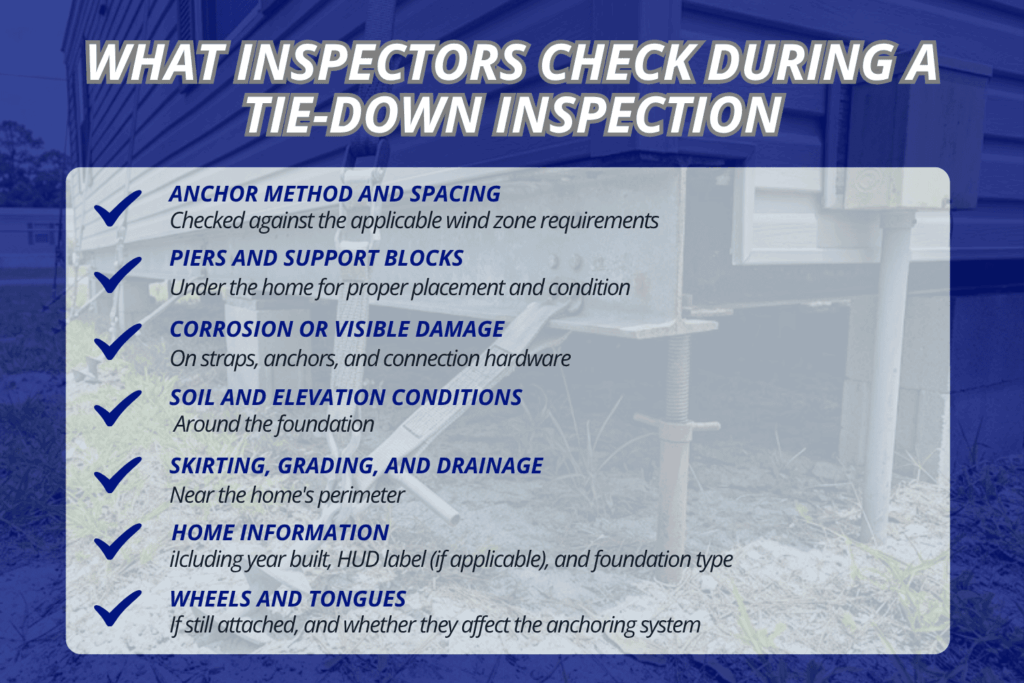
A thorough tie-down inspection covers more than just the straps themselves. Expect the inspector to evaluate:
- Anchor method and spacing, checked against the applicable wind zone requirements
- Piers and support blocks under the home for proper placement and condition
- Corrosion or visible damage on straps, anchors, and connection hardware
- Soil and elevation conditions around the foundation
- Skirting, grading, and drainage near the home’s perimeter
- Home information, including year built, HUD label (if applicable), and foundation type
- Wheels and tongues, if still attached, and whether they affect the anchoring system
Certain home sizes and ages fall under different tie-down regulations, so the inspector also confirms which standard applies to your specific home before signing off.
Signs Your Tie-Downs May Need Attention
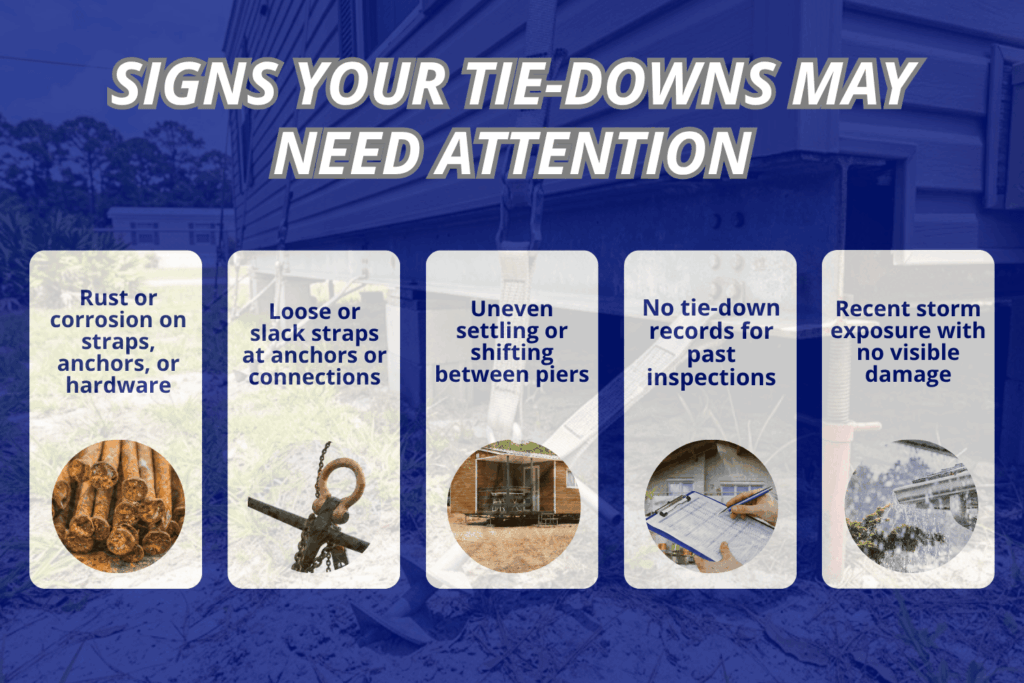
You don’t have to wait for a loan or a storm to notice a problem. A few signs suggest it’s worth scheduling an inspection sooner rather than later:
- Visible rust or corrosion on straps, anchors, or connection hardware
- A strap that looks loose, slack, or disconnected from either the anchor or the home’s frame
- The home has shifted or settled unevenly, which can throw off spacing between piers
- No documentation exists for when the tie-downs were last inspected or installed
- The home recently went through a significant storm, even if no damage is obvious from the outside
None of these guarantee a failed inspection, but any one of them is a reasonable trigger to get the system checked.
Who Needs a Tie-Down Inspection?
Tie-down inspections come up most often in a few situations:
- Buying or selling a mobile or manufactured home. FHA and VA loans typically require a tie-down inspection and certification before closing, since lenders want documented proof the home meets current anchoring standards.
- Refinancing. Lenders often want current documentation on file, even if a previous inspection exists, especially if it’s been several years since the last one.
- After a storm. High winds can loosen anchors or damage straps even when the home itself looks fine from the outside.
- Homes without recent documentation. If there’s no record of a tie-down inspection or certification on file, most lenders and insurers will ask for one before moving forward.
- Routine safety checks. Given Florida’s hurricane exposure, an annual check is a reasonable habit even without a loan or sale in the picture, and it’s far cheaper than repairing storm damage after the fact.
Why Tie-Downs Matter in Florida
Florida has more mobile and manufactured homes than any other state, and a large share of them were built before current wind-resistance standards existed.
According to the National Weather Service, manufactured homes should be anchored with tie-downs and inspected annually, and residents should always evacuate to a designated shelter rather than ride out a storm inside one. Straps and anchors that were properly installed years ago can loosen, corrode, or shift over time, especially in Florida’s sandy or high-moisture soil, which is why a periodic inspection matters even if nothing seems obviously wrong.
Coastal counties and areas near open water tend to see the highest wind exposure during a storm, so homes in those locations are held to tighter spacing and stronger anchor requirements than homes further inland.
A home that was properly permitted and installed in one part of the state may not automatically meet the requirements if it was later relocated, which is one more reason documentation matters as much as the physical hardware itself.
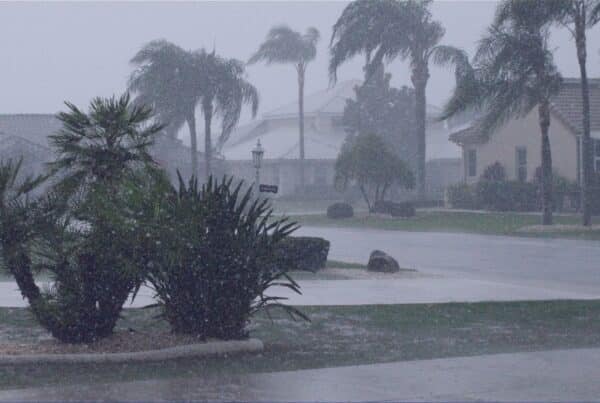
Hurricane season adds another layer of urgency. If you haven’t already reviewed your broader storm prep, our guide on Florida hurricane season and protecting your property covers steps beyond just the tie-down system.
Permanent Foundation vs. Addition Inspections
There are actually two related inspections worth knowing about. The primary one is the Permanent Foundation Inspection, which confirms the tie-down and anchoring system itself.
A separate inspection applies to decks, porches, and room additions built after the home was originally sited, since those additions fall under local building codes rather than HUD standards and can affect the home’s overall compliance.
Your lender can tell you which one applies to your situation, and it’s worth asking early since the two inspections can sometimes be scheduled together to save a trip.
What Happens If a Tie-Down Inspection Uncovers a Problem
Finding an issue during an inspection isn’t the end of the process. The inspector documents exactly what falls short of current standards, whether that’s insufficient anchor spacing, corroded hardware, or missing roof ties.
From there, a licensed installer makes the needed repairs, and the home is typically re-inspected or certified once the work is complete. Lenders generally need that final certification on file before closing, so it’s worth building a little extra time into your timeline if the home hasn’t been checked recently.
Related Questions to Explore
Do all mobile homes need tie-downs? Yes. Florida requires anchoring systems on new and used mobile and manufactured homes, with spacing and strength requirements that vary by wind zone.
How long does a tie-down inspection take? Most tie-down inspections take under an hour, though timing can vary based on the home’s size, foundation type, and accessibility.
What happens if a tie-down inspection fails? The inspector documents what doesn’t meet current standards, and a licensed installer can typically make the needed repairs before a follow-up inspection or certification.
Is a tie-down inspection the same as a home inspection? No. A general home inspection covers the whole structure and its systems, while a tie-down inspection focuses specifically on the anchoring and foundation system that secures the home to the ground. Some buyers schedule both together to cover the full picture before closing.
Do tie-down straps wear out over time? Yes. Straps and anchors can corrode or loosen over years of exposure, which is part of why periodic inspection matters even on a home that was properly anchored when it was installed.
When to Call a Professional
If you’re buying, selling, or refinancing a mobile or manufactured home in Brevard County, or it’s simply been a while since the anchoring system was checked, it’s worth scheduling an inspection before an issue turns into a bigger problem.
Honor Services performs mobile home tie-down inspections throughout Melbourne, Palm Bay, Cocoa, Titusville, and the rest of Brevard County, with same-day reports and a sample report available so you know exactly what to expect.
Conclusion
A mobile home tie-down inspection confirms that the straps, anchors, and piers holding a manufactured home in place still meet current standards, which matters for loan approval and for weathering Florida’s storm season. Buyers, sellers, and owners without recent documentation are the most common candidates, but any Florida mobile home benefits from a periodic check, and it’s a small step compared to the cost of storm damage or a delayed closing.
Ready to schedule your inspection? Schedule a mobile home tie-down inspection with Honor Services and get your report the same day.